How to Feel Calm, Confident, and in Control: A Nervous System Approach to Lasting Change
Why Confidence Isn’t Just a Mindset
If you’ve made it through this series, you’ve already started to shift how you understand anxiety, stress, and emotional overwhelm.
In Nervous System Regulation: How to Reset, Rest, and Feel Safe in Your Body Again, we explored why your body not just your thoughts drives how you feel.
In How to Reduce Self-Criticism and Calm Your Nervous System, we looked at how internal pressure keeps you stuck in stress cycles.
In How to Create Emotional Safety and Feel More Grounded in Your Daily Life, we focused on creating the conditions your body needs to feel grounded.
And in Daily Nervous System Reset Rituals: Simple Practices to Feel Calm and in Control, we brought this into your everyday life with simple, consistent practices.
Now we’re stepping into the bigger picture:
How does all of this actually help you become someone who feels calm, confident, and in control, in the long run?
Because true confidence isn’t something you force.
It’s something your nervous system allows.
Why You Can’t “Think” Your Way Into Confidence
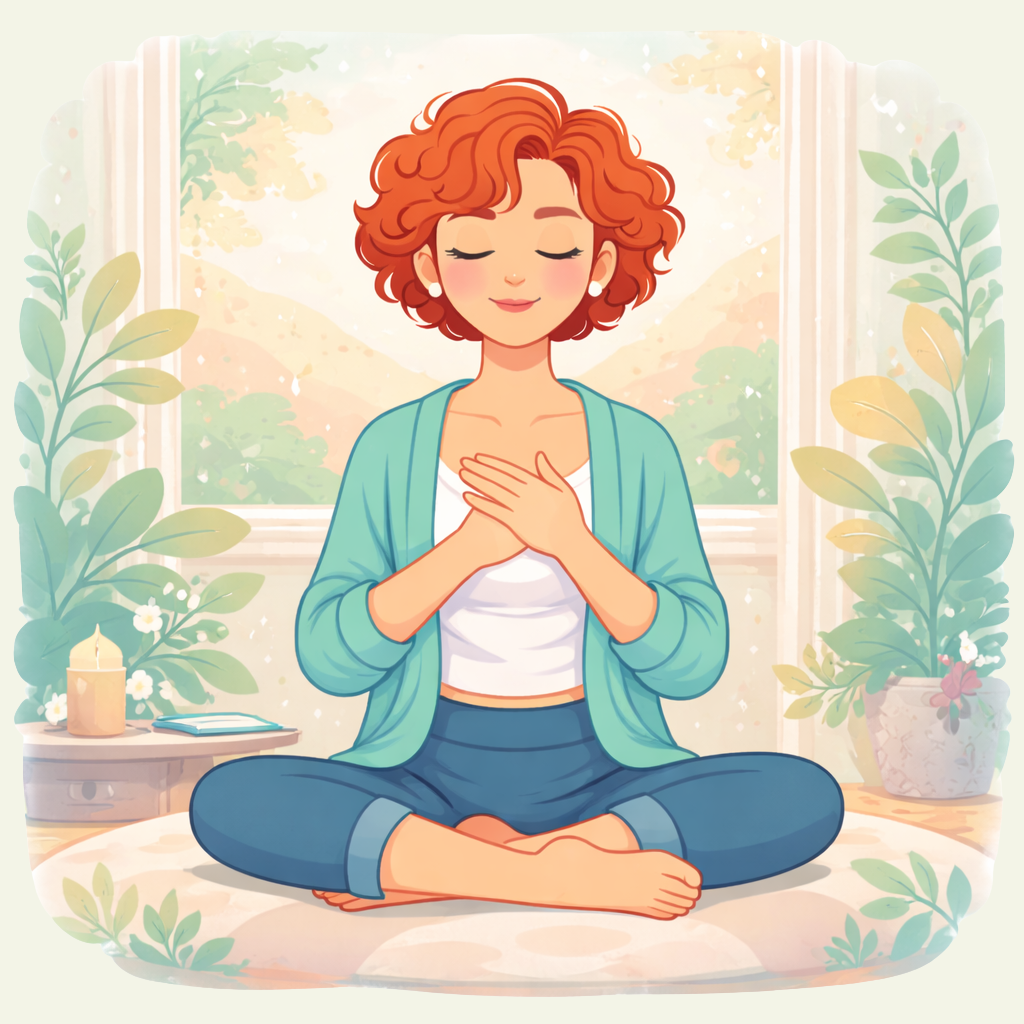
Many people try to build confidence through:
Positive thinking
Pushing themselves harder
Trying to “fix” self-doubt
But if your nervous system is dysregulated, confidence will feel:
Inconsistent
Forced
Dependent on external validation
This is because your body is still operating from:
Fear of getting it wrong
Pressure to perform
Anticipation of stress
So even when you try to feel confident, your system pulls you back into:
Overthinking
Second-guessing
Self-doubt
This is why mindset work alone often doesn’t create lasting change.
The Shift: Confidence Comes From Regulation, Not Pressure
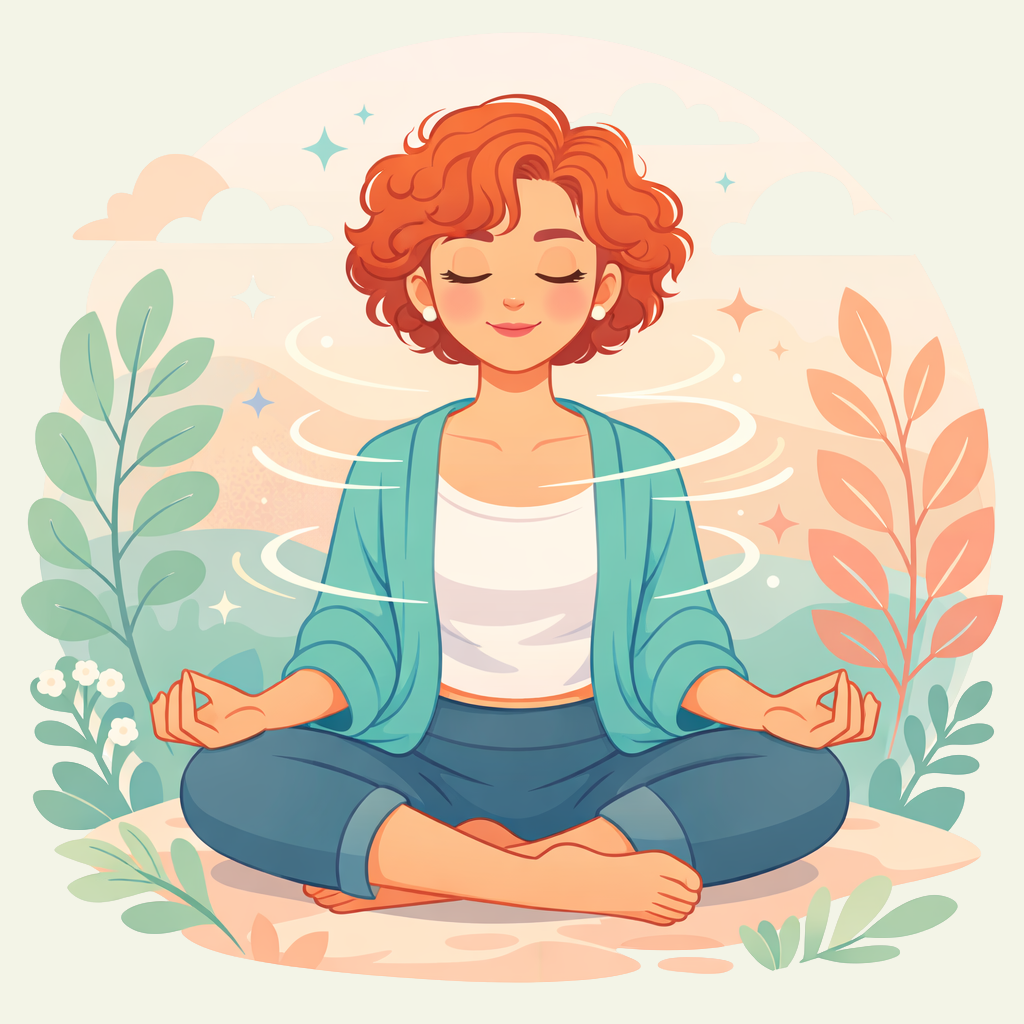
When your nervous system feels safe, your experience changes naturally.
You begin to:
Think more clearly
Respond instead of react
Trust your decisions
Feel more steady in yourself
Confidence, in this sense, is not something you “build” through force.
It’s something that emerges when: Your body is no longer in survival mode.
I discuss this further in my blog series about confidence, starting with: Confidence isn’t a personality trait.
What a Regulated, Confident Version of You Actually Looks Like
This version of you is not perfect.
They still experience stress, uncertainty, and challenges.
But the difference is in how they move through it.
They:
Pause instead of panic
Speak to themselves with more awareness
Recover more quickly from stress
Feel less controlled by their thoughts
Trust themselves even when things feel uncertain
This is the result of consistent nervous system regulation, not perfection.
How to Start Becoming This Version of Yourself
This shift doesn’t happen overnight. It’s a process, built over time, but it is accessible.
And it starts with the patterns you’ve already been building throughout this series.

1. Continue Regulating Your Nervous System Daily
The small resets you learned in Daily Nervous System Reset Rituals: Simple Practices to Feel Calm and in Control are what create long-term change.
This includes:
Slowing down your pace
Taking intentional pauses
Using your breath and body to ground
Consistency matters more than intensity.
2. Reduce Internal Pressure Instead of Increasing It
As we explored in How to Reduce Self-Criticism and Calm Your Nervous System, internal pressure keeps your nervous system activated.
Confidence grows when you shift from:
“I need to get this right”
To:
“I can take this one step at a time”
This creates space for clarity and trust.
3. Strengthen Emotional Safety in Your Daily Life
Without emotional safety, confidence will always feel unstable.
Continue practicing what we explored in How to Create Emotional Safety and Feel More Grounded in Your Daily Life
Creating supportive routines
Slowing your internal pace
Responding to yourself with care
This builds a stable foundation for confidence.
4. Allow Yourself to Move Through Discomfort Differently
Confidence doesn’t mean you never feel uncomfortable.
It means you:
Stay present with discomfort
Don’t immediately react or shut down
Trust your ability to handle what comes up
This is a sign of a more regulated nervous system.
5. Focus on Building Self-Trust, Not Perfection
Perfection keeps your nervous system in a constant state of pressure.
Self-trust creates:
Stability
Flexibility
Confidence that lasts
Instead of asking:
“Did I do this perfectly?”
Shift to:
“Did I show up in a way that feels aligned for me?”
This is where real change happens.
Why This Work Creates Lasting Change
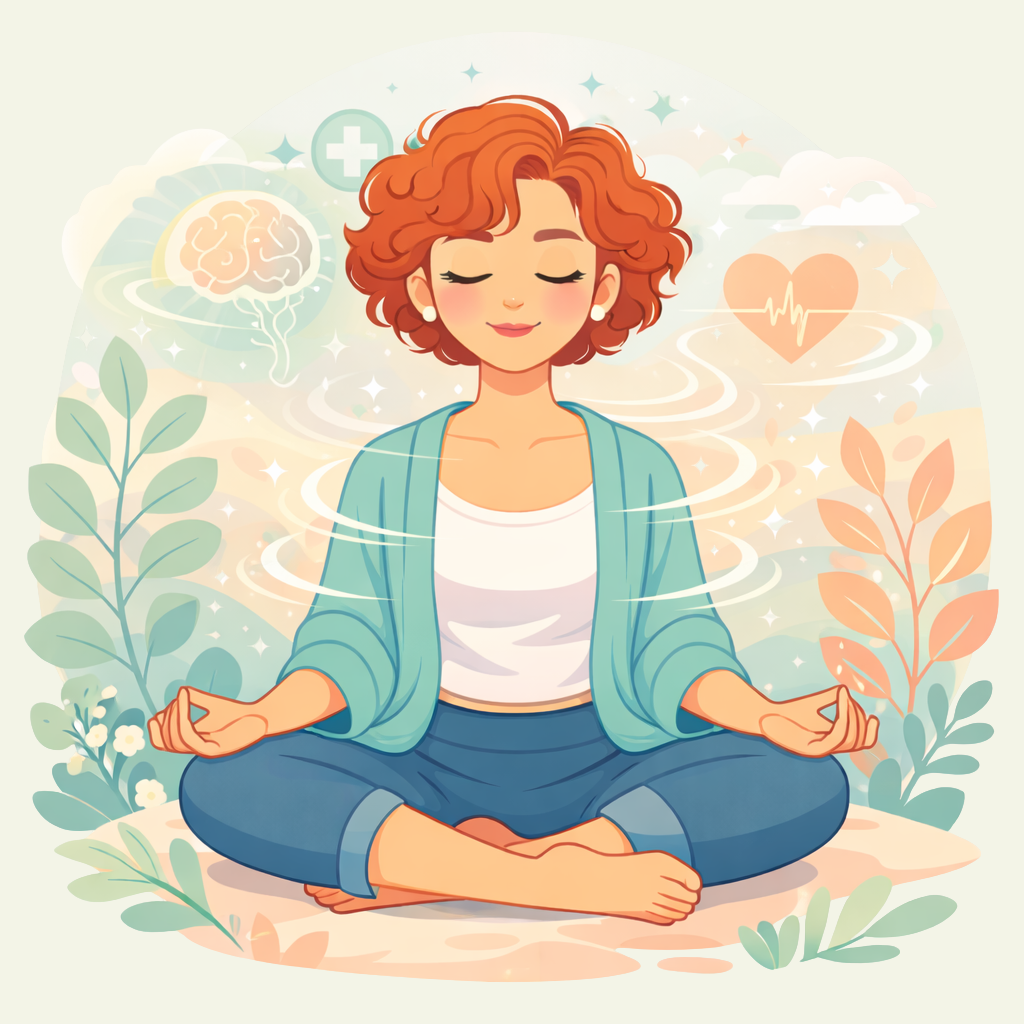
When you approach growth through nervous system regulation, you’re not just managing symptoms.
You’re:
Changing how your body responds to stress
Rewiring patterns of anxiety and overthinking
Building a more stable internal foundation
Over time, this leads to:
Less emotional reactivity
More grounded decision-making
A deeper sense of calm and confidence
Greater resilience in everyday life
This is what makes the change sustainable.
When You Might Need More Support
While these tools are powerful, many people reach a point where they realize:
Understanding the work is different from integrating it.
If you’ve been:
Stuck in the same patterns despite trying to change
Feeling overwhelmed by where to start
Wanting deeper, more personalized support
That’s where guided work can make a significant difference.
You can explore that through a Free consultation for my 6-week Self-Trust Program, where we work through nervous system regulation, self-doubt, and emotional healing in a structured, supportive way. Find a link in the information below.
Key Takeaways
Confidence is a nervous system experience, not just a mindset
You can’t force confidence when your body feels unsafe
Regulation creates the conditions for clarity, trust, and stability
Small, consistent practices lead to long-term change
Self-trust, not perfection, is the foundation of confidence
If you’ve been feeling stuck in anxiety, self-doubt, or constant internal pressure, it’s not because you’re doing something wrong, it’s because your nervous system hasn’t felt safe enough to change yet.
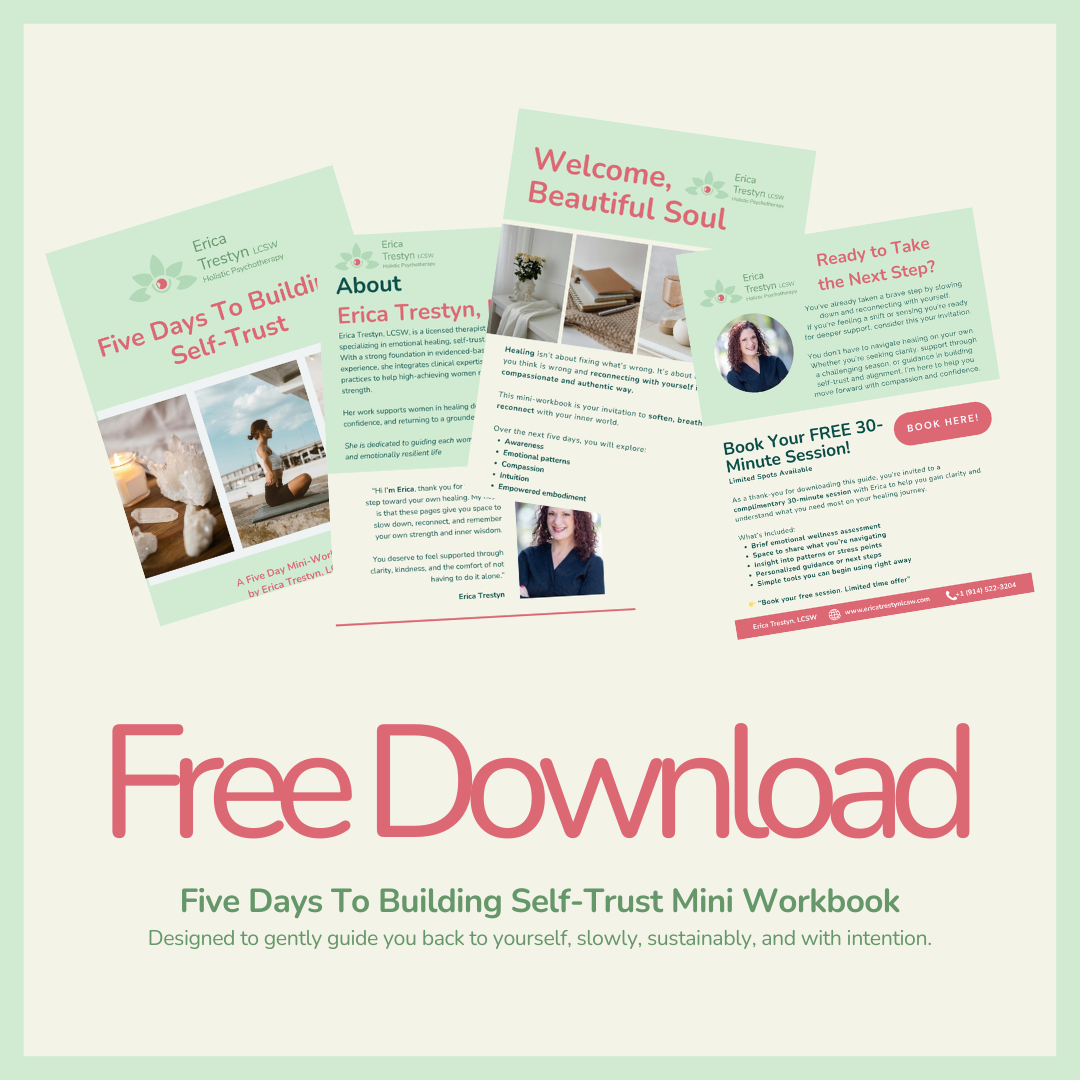
Download my Free 5-day Nervous System Reset Workbook to begin building more calm, clarity, and confidence from the inside out.
And if you’re ready for deeper transformation:
Schedule a free consultation to explore my 6-week Self-Trust Program, where we gently work through nervous system regulation, emotional overwhelm, and self-doubt, so you can feel more grounded, confident, and in control of your life.
FAQ Section: Calm, Confidence, and Nervous System Regulation
-
Start by supporting your nervous system through grounding, slowing your breath, and reducing internal pressure. Emotional regulation begins in the body, not just the mind.
-
Confidence isn’t just cognitive, it’s physiological. If your nervous system feels unsafe, it can override logical thinking and create doubt or hesitation.
-
Yes. When your body feels safe, you’re more able to think clearly, trust yourself, and respond calmly, key components of confidence.
-
With consistent practice, many people begin noticing small shifts within a few weeks. Long-term change builds over time through repetition and support.