Nervous System Regulation: How to Reset, Rest, and Feel Safe in Your Body Again
Why Nervous System Regulation Matters More Than You Think
If you’ve been feeling overwhelmed, constantly on edge, mentally exhausted, or stuck in cycles of overthinking: you’re not broken. You’re likely operating from a dysregulated nervous system.
For many high-achieving adults, busy moms, and those used to “holding it all together,” stress becomes the baseline. You keep going. You push through. You manage everything on the outside.
But internally, your body may still feel:
Anxious or restless
Emotionally drained
Easily triggered or reactive
Disconnected or shut down
This is not a mindset problem. It's a nervous system pattern.
Throughout this month, we’re going to explore what it actually means to regulate your nervous system in a way that feels realistic, supportive, and sustainable.
In this blog, we’ll start with the foundation:
What nervous system regulation is
Why you feel stuck in stress cycles
How to begin creating safety in your body
Simple ways to reset and rest (without adding more pressure)
And in the coming weeks, we’ll go deeper into:
Reducing self-criticism and inner pressure
Practicing self-kindness and emotional safety
Building daily rituals that support long-term regulation
What Is Nervous System Regulation?
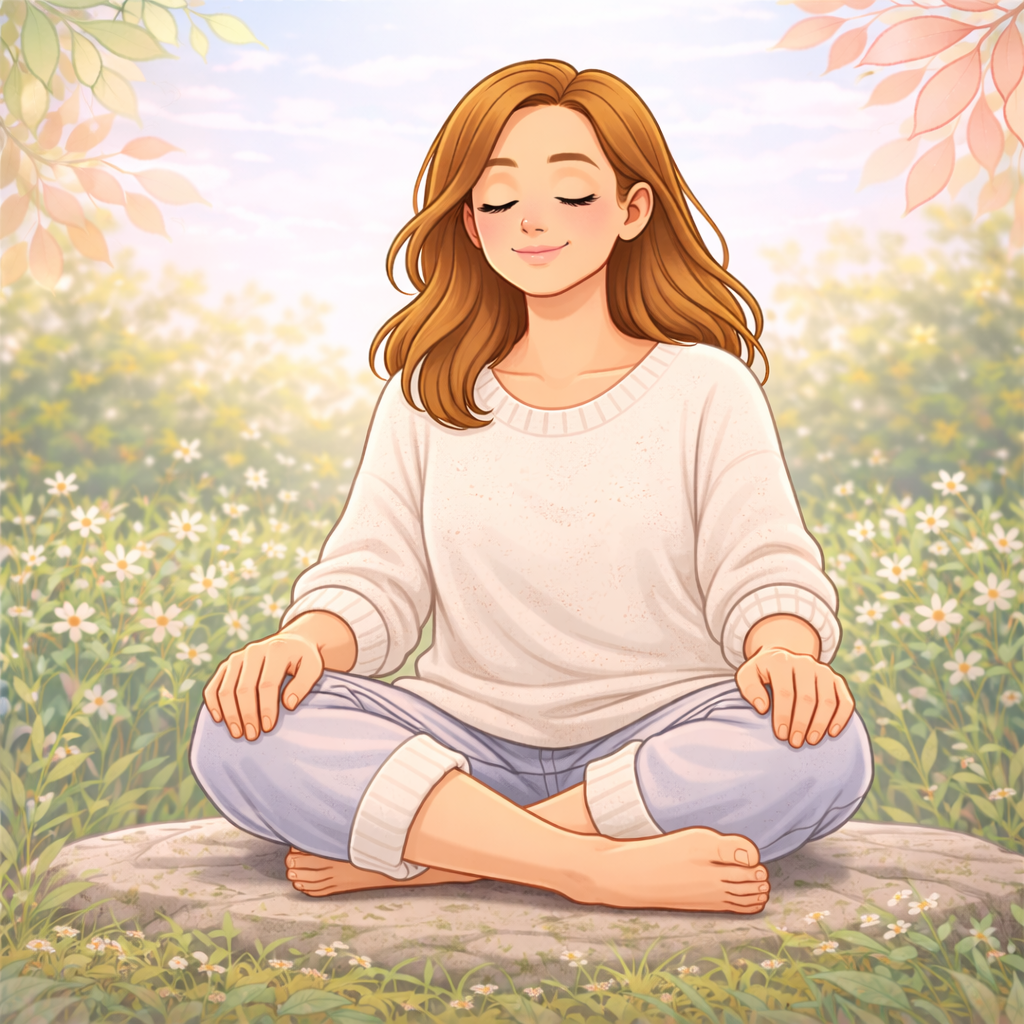
Nervous system regulation refers to your body’s ability to move out of survival states (like anxiety, overwhelm, or shutdown) and return to a place of balance, safety, and stability.
Your nervous system is constantly scanning for cues of:
Safety
Threat
Connection
When it perceives stress, whether it’s a real situation or internal pressure like self-doubt, it activates a response.
This can look like:
Fight/Flight: Anxiety, urgency, overthinking, irritability
Freeze: Feeling stuck, numb, unmotivated, shut down
Regulation isn’t about eliminating stress completely.
It’s about helping your body learn:
“I can move through stress and return to safety.”
Why You Might Feel Stuck in Stress or Overwhelm
Many people don’t realize that their nervous system has been conditioned over time.
If you:
Grew up needing to people-please
Learned to suppress emotions
Felt pressure to perform or succeed
Experienced inconsistent support or stress
Your nervous system adapted by staying “on” or hyper-aware.
That means even when life looks stable now, your body may still be operating from:
Anticipation of stress
Fear of getting it wrong
Constant internal pressure
This is why mindset work alone often doesn’t stick.
Because your body is still responding as if something is unsafe.
How to Start Creating Safety in Your Body

Before we talk about tools or techniques, this is the most important shift:
Regulation begins with safety, not control.
Many people approach nervous system work like another task:
“I need to calm down”
“I should be less anxious”
“Why can’t I just relax?”
That energy alone can actually keep your system activated.
Instead, we want to gently introduce cues of safety.
What creates safety in the nervous system?
Slowing down your pace
Softening internal language
Predictability and routine
Gentle awareness (without judgment)
Support and connection
This is where reducing criticism and increasing self-kindness becomes essential.
5 Simple Ways to Reset Your Nervous System (Without Overwhelm)
You don’t need an elaborate routine to begin regulating your nervous system. Small, consistent shifts can create powerful change.

1. Slow Your Breathing (Without Forcing It)
Instead of trying to “fix” your breath, simply notice it.
Try:
Inhale for 4
Exhale for 6
Longer exhales signal safety to the body.
2. Orient to Your Environment
Look around and name:
3 things you can see
2 things you can hear
1 thing you can feel
This gently brings your body out of stress and into the present moment.
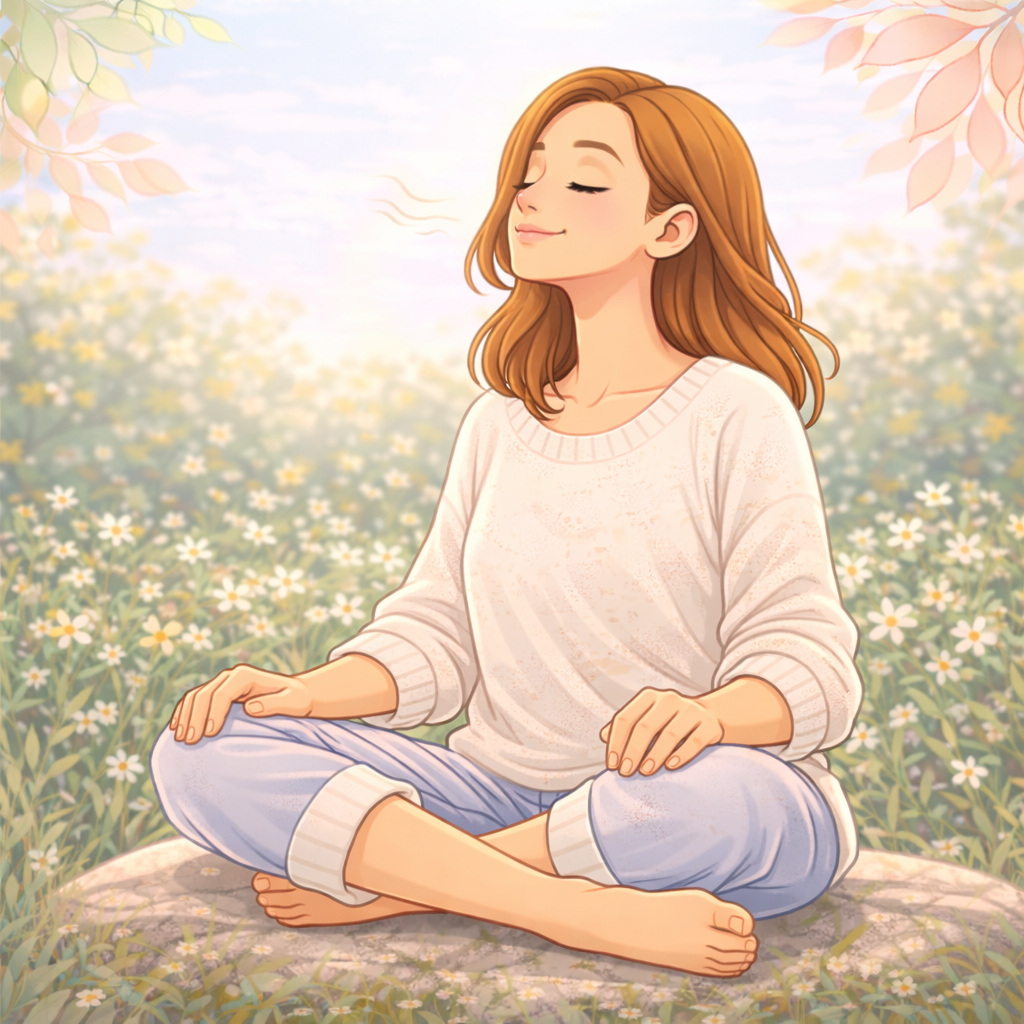
3. Reduce Internal Pressure
Notice your inner dialogue.
Shift from:
“I should be doing more”
To:
“I’m allowed to take this one step at a time”
This is a powerful form of nervous system regulation.
4. Create Micro-Moments of Rest
Rest doesn’t have to mean stopping everything.
It can look like:
Sitting for 2 minutes without stimulation
Stepping outside for fresh air
Closing your eyes and taking a pause
These moments signal: “I’m safe enough to slow down.”
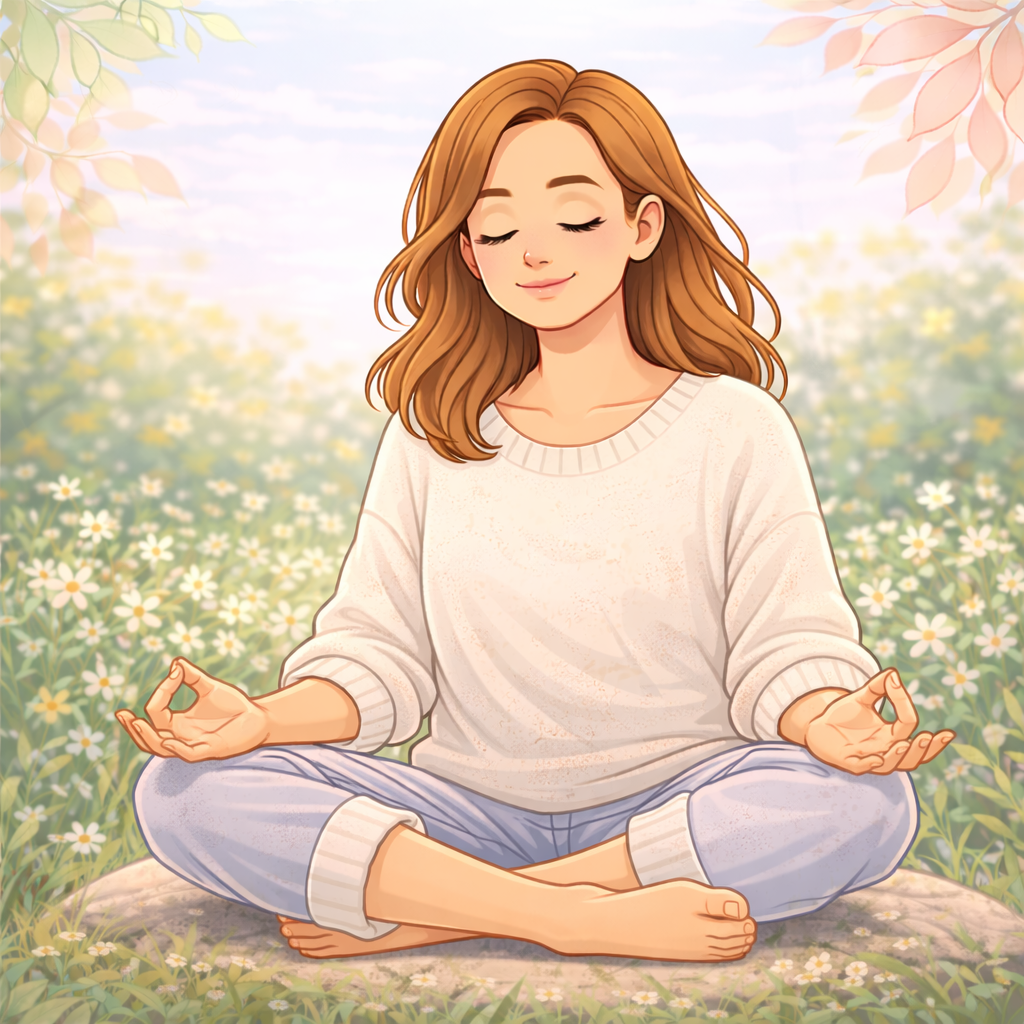
5. Ground Through Your Body
Bring attention to physical sensations:
Feet on the floor
Hands on your chest
Back supported by a chair
Your body becomes the anchor, not your thoughts.
The Role of Self-Criticism in Nervous System Dysregulation
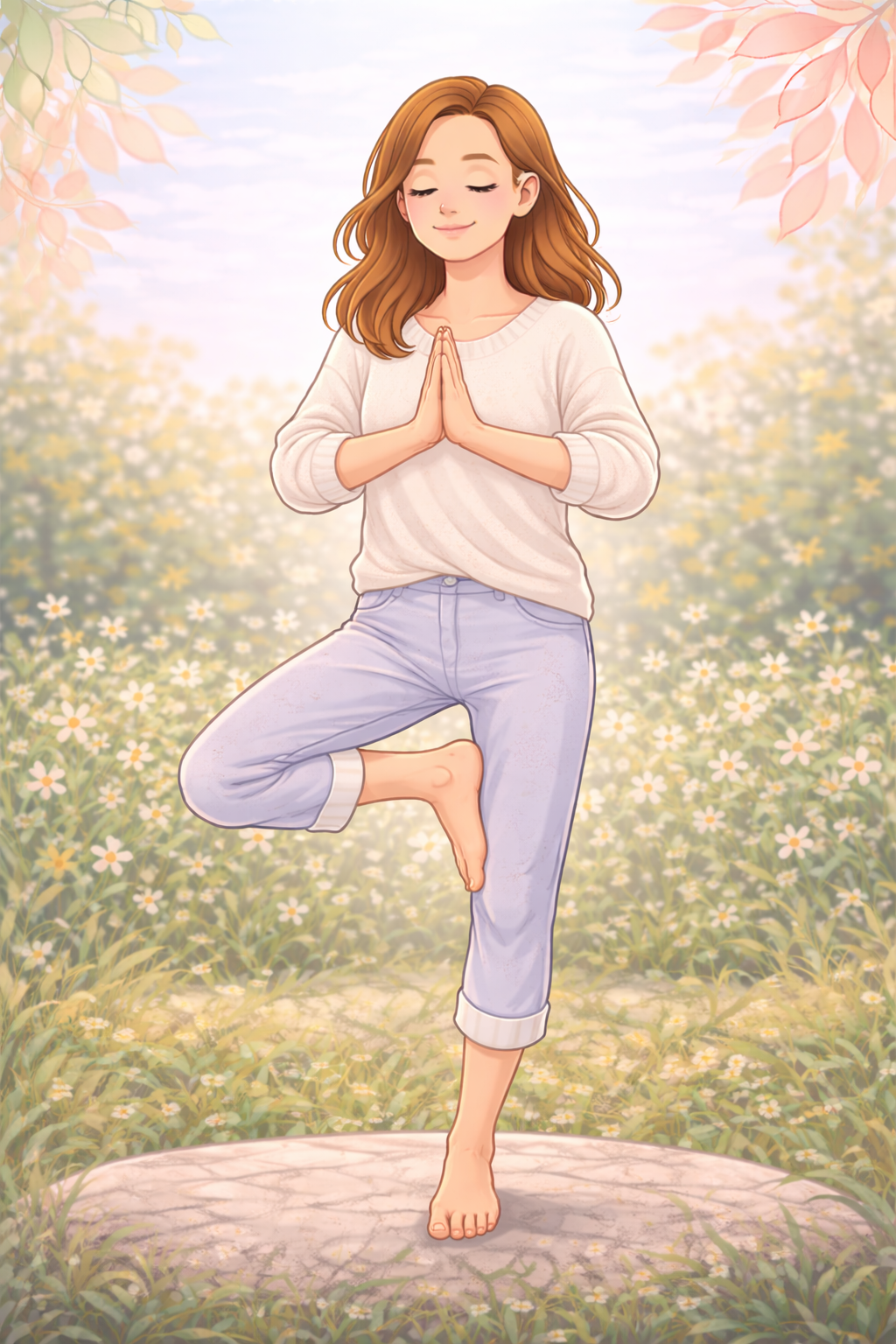
One of the most overlooked contributors to chronic stress is internal criticism.
When your inner voice is constantly saying:
“You’re not doing enough”
“You should have handled that better”
“Why are you like this?”
Your nervous system experiences this as a form of threat.
Which means even when nothing external is happening your body stays activated.
Learning to shift toward:
Curiosity
Compassion
Neutral awareness
…is not just emotional work, it’s physiological regulation.
(This is something we’ll go deeper into in next week’s blog.)
Rest Is Not a Reward. It’s Regulation

Many people wait until they’re completely burned out to rest.
But by that point, the nervous system is already overwhelmed.
Rest is not something you earn after productivity.
It’s something your body requires in order to:
Function clearly
Regulate emotions
Feel grounded and present
When you begin to integrate rest proactively, you start to break the cycle of:
Push → Crash → Recover → Repeat
How This Connects to Long-Term Change

Nervous system regulation is not about quick fixes.
It’s about building a new relationship with yourself where:
You listen to your body
You respond instead of react
You create space instead of pressure
Over time, this leads to:
Less anxiety and overthinking
More emotional stability
Increased self-trustA deeper sense of calm and confidence
Key Takeaways
Nervous system regulation is the foundation of emotional well-being
Chronic stress is often a learned pattern not a personal failure
Safety (not control) is the starting point for regulation
Small, consistent practices create meaningful change
Reducing self-criticism is essential for calming the nervous system
Rest is a necessity, not something to earn
If you’ve been feeling stuck in patterns of anxiety, overthinking, or internal pressure, this is your starting point.
You don’t have to figure this out on your own.
Download my free 5-day Nervous System Reset Workbook to begin creating more calm, clarity, and emotional balance in your daily life.
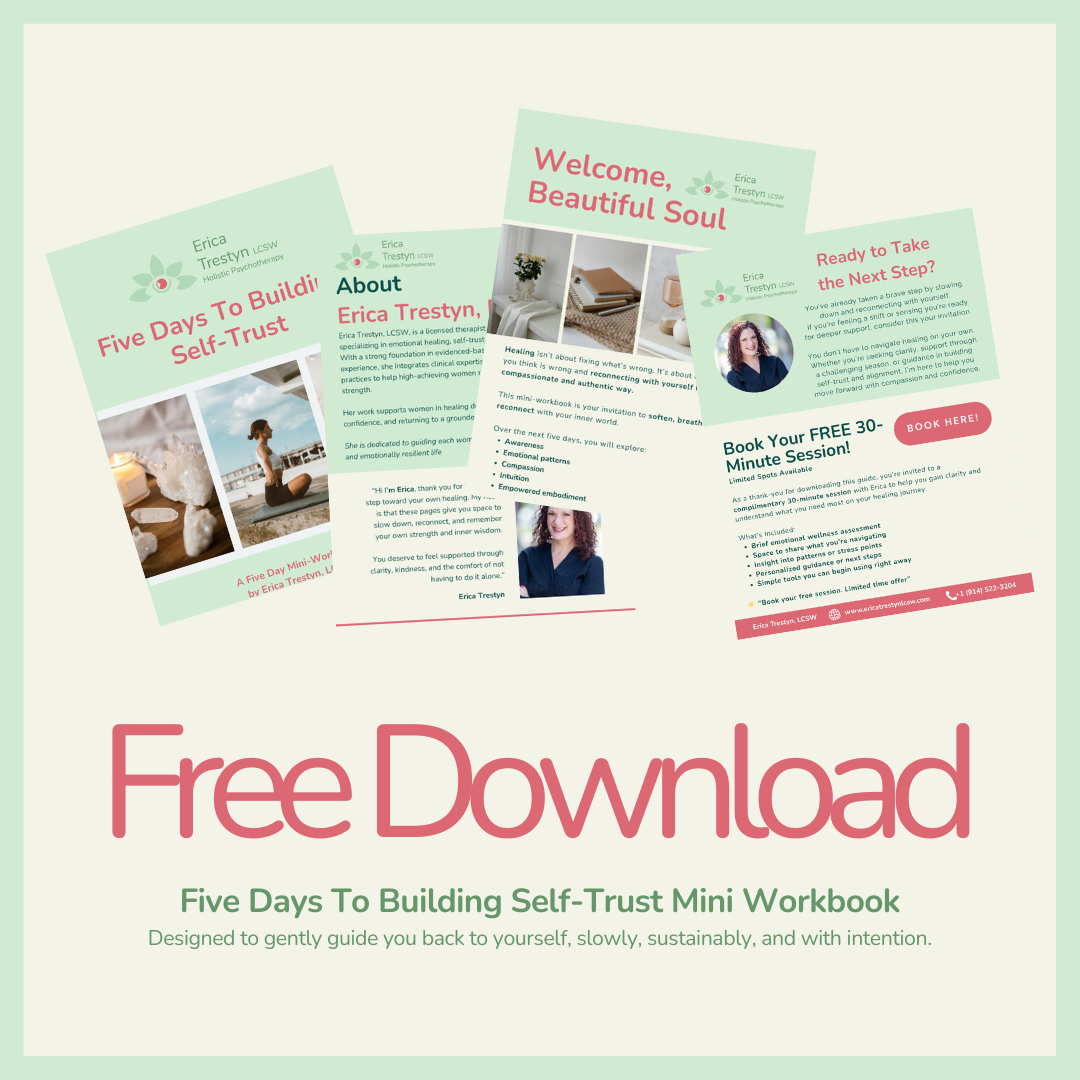
Or, if you’re ready for deeper support:
Schedule a free consultation to explore my 6-week self-trust program, where we gently work through nervous system regulation, self-doubt, and emotional overwhelm, so you can feel more grounded, confident, and in control of your experience.
FAQ: Nervous System Regulation
-
Nervous system regulation is your body’s ability to move out of stress responses like anxiety, overwhelm, or shutdown and return to a state of calm, balance, and safety.
-
Your nervous system may still be operating from learned stress patterns. Even if your environment feels stable, your body can remain in a state of alert due to past experiences, chronic stress, or internal pressure.
-
Simple practices like slowing your breath, grounding your body, or pausing your pace can help signal safety. Consistency with small tools is more effective than trying to force yourself to relax.
-
They are closely connected. Nervous system regulation addresses the root of anxiety by helping your body feel safe, rather than only managing symptoms mentally.