Self-Compassion: Why Is My Inner Voice So Harsh? Understanding Self-Criticism Without Shame
Let’s Talk About That Voice in Your Head
If you’ve ever caught yourself thinking, “Why am I like this?” or “What’s wrong with me?” you’re not alone.
That harsh inner voice can feel constant, convincing, and even protective at times. But underneath it, there’s often something deeper going on. This is where self-compassion becomes essential.
In the first moments of awareness, self-compassion isn’t about silencing your inner critic. It’s about understanding it without shame.
What Is Self-Compassion, Really?
Self-compassion is the practice of treating yourself with kindness, patience, and understanding. It’s about understanding, forgiveness, and non-judgement.
It includes three simple but powerful elements:
Awareness of your thoughts and emotions
Kindness toward yourself instead of judgment
Recognizing that struggle is part of being human
If you’ve read What is Self Trust Really? or From Self-Criticism to Self-Trust, you already know that healing begins when we shift how we relate to ourselves.
Why Is My Inner Voice So Harsh?

Your inner critic didn’t appear out of nowhere. It was learned.
1. Early Conditioning
Many of us grew up in environments where love, approval, or safety depended on performance. Over time, that external pressure becomes internal.
2. The Brain’s Survival Mode
Your brain is wired to detect threats. Unfortunately, it doesn’t always distinguish between real danger and emotional discomfort. So it uses criticism as a way to “keep you in line.”

If you’ve explored Anxiety 101: What Causes Anxiety in the Brain, you’ll recognize how this ties into your nervous system.
3. Perfectionism and Control
Self-criticism often feels like control. If you push yourself hard enough, maybe you won’t fail. But in reality, it creates more stress and disconnection.
4. Emotional Protection
Sometimes, that harsh voice is trying to protect you from rejection, embarrassment, or disappointment. It’s misguided, but it has a purpose.
The Hidden Cost of Self-Criticism

Self-criticism might seem motivating, but it often leads to:
Increased anxiety and overthinking
Burnout and emotional exhaustion
Low self-trust and self-worth
Difficulty setting boundaries
If this resonates, you might want to revisit The Cost of Self-Criticism? and How to Reduce Self-Criticism and Calm Your Nervous System.
Without self-compassion, the inner critic becomes louder, not quieter.
Why Self-Compassion Feels So Hard?

Here’s the truth: self-compassion can feel uncomfortable at first.
You might think:
“If I’m kind to myself, I’ll become lazy.”
“I don’t deserve compassion.”
“This feels fake.”
But these thoughts are often part of the same conditioning that created the harsh voice.
Self-compassion is not weakness. It’s regulation.
According to research from reputable sources like the American Psychological Association and Stanford’s Center for Compassion and Altruism, practicing self-compassion actually improves resilience, motivation, and emotional well-being.
How to Practice Self-Compassion (Even When It Feels Awkward)?

You don’t need to completely silence your inner critic. You just need to change how you respond to it.
1. Notice the Voice Without Fighting It
Instead of arguing with your thoughts, try: “I notice I’m being hard on myself right now.”
That awareness creates space.
2. Speak to Yourself Like You Would a Friend
Ask yourself: “What would I say to someone I care about in this situation?”
Then say that to yourself.
3. Regulate Before You Reflect
If your nervous system is overwhelmed, self-compassion starts in the body.
You can explore this deeper in Nervous System Regulation: How to Reset, Rest, and Feel Safe in Your Body Again.
4. Replace Shame with Curiosity
Instead of: “What’s wrong with me?”
Try: “What do I need right now?”
This is where real healing begins.
Self-Compassion and Self-Trust Go Together
You can’t build self-trust while constantly criticizing yourself.
Self-compassion helps you:
Feel safe in your own mind
Make decisions without fear
Recover from mistakes faster
If you’re working on this, How to Build Self-Trust When Anxiety is Loud is a great next step.
Small Daily Practices That Make a Big Difference

You don’t need a complete life overhaul. Start small.
Take a few deep breaths before reacting
Pause and check in with your emotions
Write down one kind thought about yourself daily
Allow yourself to rest without guilt
Consistency matters more than intensity.
You Are Not Your Inner Critic
This part matters.
Your inner voice is not your identity. It’s a learned pattern.
And patterns can change.
With self-compassion, you begin to:
Separate yourself from your thoughts
Understand your emotional triggers
Build a more supportive inner dialogue
Key Takeaways
Your harsh inner voice is learned, not permanent
Self-criticism is often a form of protection
Self-compassion helps regulate your nervous system
You don’t need to eliminate the critic, just change your response
Small, consistent practices lead to lasting change
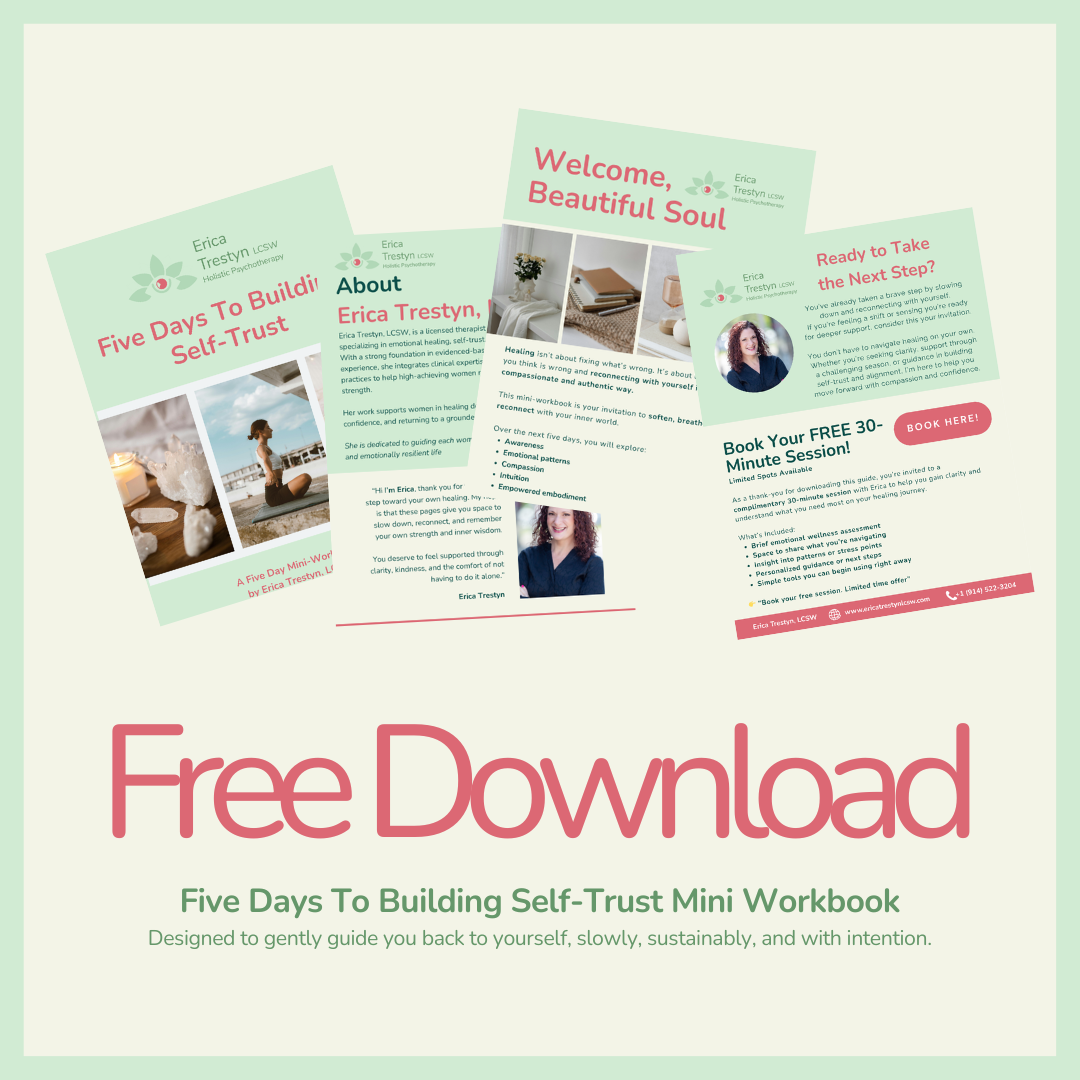
If you’re ready to gently reconnect with yourself, my free
Five Days to Building Self-Trust Mini Workbook is a beautiful place to begin.
It’s designed to guide you step by step toward self-compassion,
awareness, and emotional safety.
You don’t have to figure this out alone.
Start with the free workbook and take your first gentle step back to yourself.
Frequently Asked Questions (FAQ)
-
Start small. Simply notice when you’re being hard on yourself and gently shift your language. Even saying, “This is a tough moment” can begin building awareness without forcing positivity.
-
No. Research shows the opposite—self-compassion actually increases motivation because it removes fear-based pressure and replaces it with supportive encouragement.
-
There’s no fixed timeline. Like any habit, it takes consistent practice. Small daily shifts can create noticeable changes over weeks or months.
-
Self-compassion acknowledges pain without exaggerating it or getting stuck in it. Self-pity, on the other hand, can keep you feeling powerless. Self-compassion empowers you to respond with care and awareness.