Emotional Healing Through Self-Awareness: Recognizing the Signals Your Body Sends
Emotional healing begins with self-awareness. Many people move through life disconnected from the signals their body and emotions are constantly sending. Stress, tension, fatigue, or emotional overwhelm are often messages from the nervous system asking for attention. By learning to recognize these signals and develop greater emotional awareness, you can begin to understand your internal experiences more clearly and support lasting emotional healing.
Emotional Healing Through
Self-Awareness: Recognizing the Signals Your Body Sends
One of the most powerful tools for emotional healing is something many of us were never taught growing up: self-awareness of our emotions and our body.
So often we move through life disconnected from what we feel internally. We push through stress, ignore tension, and override our intuition. Over time, this can lead to feeling overwhelmed, anxious, or emotionally drained without fully understanding why.
But your body is always communicating with you.
That tightness in your chest before a difficult conversation.
The heaviness in your stomach when something feels off.
The sudden exhaustion after a stressful interaction.
These aren’t random experiences, they’re signals from your nervous system and emotional world.
Learning how to recognize these signals is one of the most powerful steps in emotional healing. When you become aware of what your body is telling you, you can respond with greater clarity, compassion, and confidence.
In this article, we’ll explore:
What emotional awareness really means
How your body communicates emotional signals
How to recognize early signs of stress or overwhelm
Practical ways to strengthen emotional awareness
What Is Emotional Awareness?
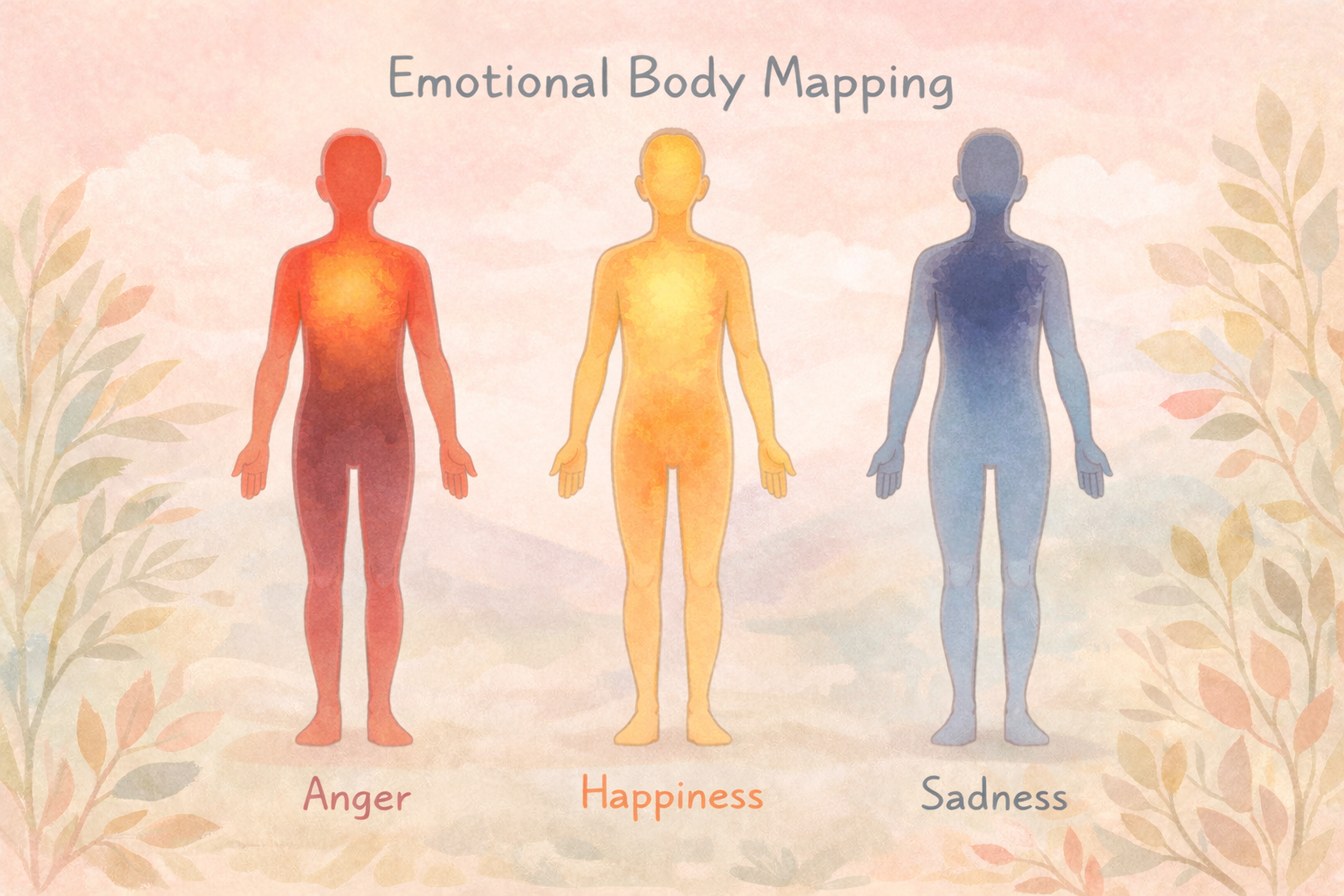
Emotional awareness is the ability to notice, understand, and name what you're feeling in the present moment, without judgement.
It’s a foundational part of emotional healing because emotions that are ignored or suppressed often build up over time. When we develop emotional awareness, we create space to process those emotions instead of carrying them unconsciously.
Emotional awareness helps you:
Understand your reactions
Recognize emotional triggers
Communicate your needs more clearly
Respond thoughtfully instead of reacting automatically
Research shows that people with strong emotional awareness tend to experience better emotional regulation and overall mental wellbeing.
But emotional awareness isn’t only mental, it’s deeply connected to the body.
Your Body Is Always Communicating
With You

Many emotions show up physically before we consciously recognize them.
You might notice:
Tight shoulders when feeling stressed
A racing heart during anxiety
Fatigue when emotionally overwhelmed
Restlessness when something feels unresolved
These signals are your nervous system responding to emotional experiences.
According to research highlighted by Harvard Health Publishing, physical awareness of emotional responses helps individuals regulate stress and support emotional healing.
Instead of ignoring these sensations, they can become valuable information about what you’re feeling internally
Common Body Signals Connected to Emotional Experiences
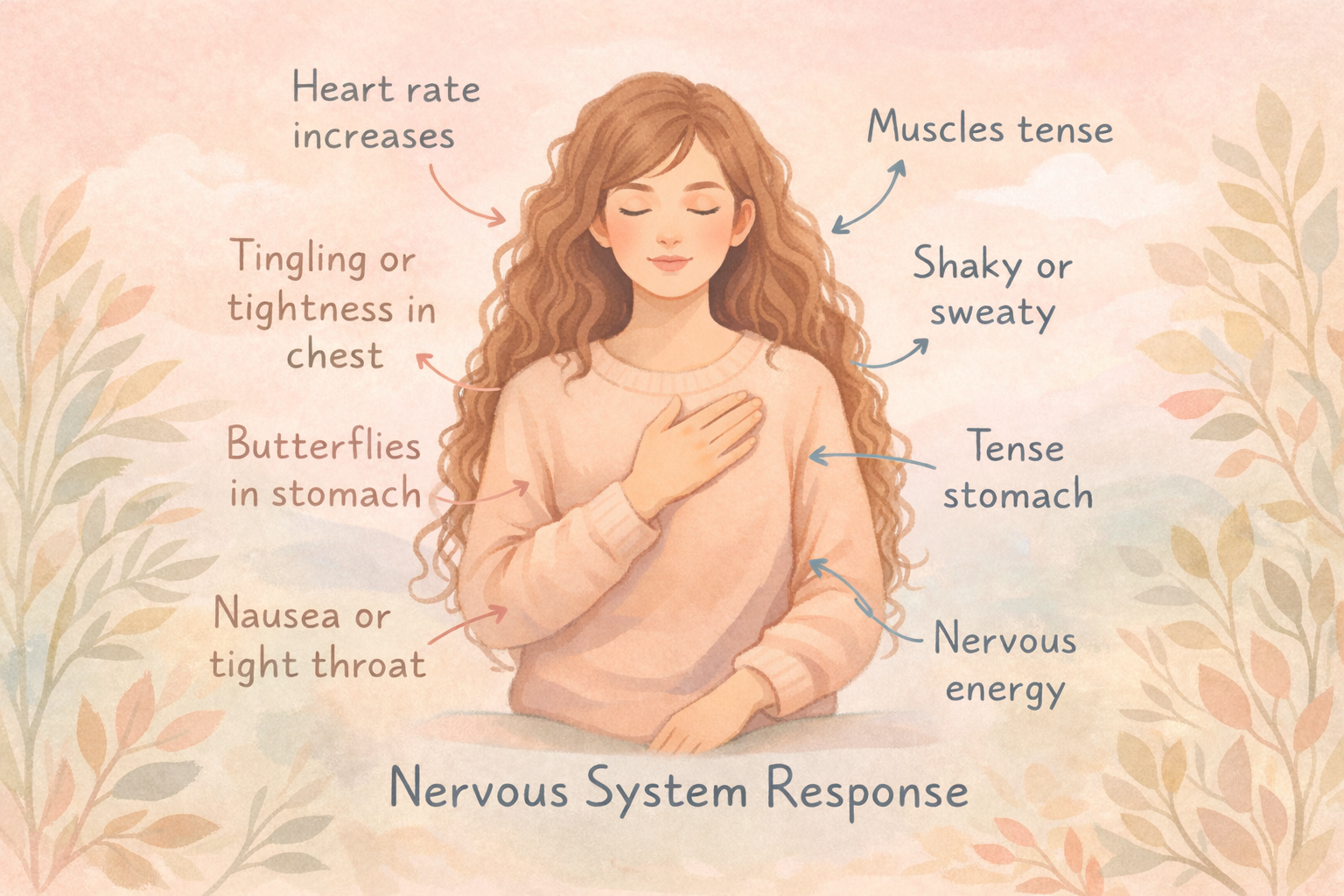
Understanding how emotions appear in the body can deepen emotional awareness.
Here are some common examples.
Body Signal
Tight chest
Stomach discomfort
Jaw tension
Heavy fatigue
Restlessness
Possible Emotional Message
anxiety, fear, or emotional pressure
worry, uncertainty, or unease
frustration or suppressed anger
emotional overload or burnout
unresolved thoughts or inner conflict
These signals aren’t problems to fix. They are messages to listen to.
Recognizing them allows you to pause and ask an important question:
“What is my body trying to tell me right now?”
That question alone can open the door to emotional healing.
Why We Often Ignore These Signals
Many people have learned to disconnect from their emotional and physical signals.
This often happens because of cultural messages like:
“Just push through it.”
“Don’t be so sensitive.”
“Stay strong.”
Over time, ignoring emotions can become a habit.
But when emotions remain unacknowledged, they often show up in other ways:

Chronic Stress
Emotional Exhaustion
Irritability
Anxiety or Overthinking
Research indicates that emotional awareness and self-compassion are key components of emotional wellbeing.
The good news is that emotional awareness is a skill that can be practiced and strengthened.
A Simple Practice to Build
Emotional Awareness
Developing emotional awareness doesn’t require hours of meditation or complicated routines.
You can start with a simple check-in practice.

Step 1: Pause and Notice
Take a moment during your day to ask yourself:
What am I feeling right now?
Try to identify the emotion without judging it.
Step 2: Check In With Your Body
Ask yourself:
Where do I feel this emotion in my body?
Is there tension, heaviness, or restlessness somewhere?
This helps reconnect your emotional and physical awareness.
Step 3: Name the Emotion
Try to label the emotion clearly.
Examples might include:
anxious
frustrated
overwhelmed
hopeful
sad
Naming emotions helps your brain organize the experience and supports emotional healing.
Step 4: Respond With Curiosity And Care
Instead of pushing the emotion away, gently explore it.
Ask yourself:
What might have triggered this feeling?
What do I need right now?
Curiosity transforms emotions into information rather than problems.
Signs Your Body May Be Asking for Emotional Attention
Sometimes emotional signals are subtle, especially if we’ve been disconnected from them for a long time.
Here are a few signs your body may be asking for attention:
Feeling constantly “on edge”
Difficulty relaxing even when nothing is wrong
Frequent headaches or muscle tension
Emotional numbness or shutdown
Exhaustion after social interactions
These experiences often reflect an overactive nervous system or unprocessed emotional stress.
Learning to recognize these patterns is a meaningful step toward emotional healing.
Everyday Habits That Strengthen
Emotional Awareness
The more often you practice noticing your emotions and body signals, the more natural it becomes.
Helpful habits include:

Journaling about emotional experiences
Taking short mindfulness breaks during the day
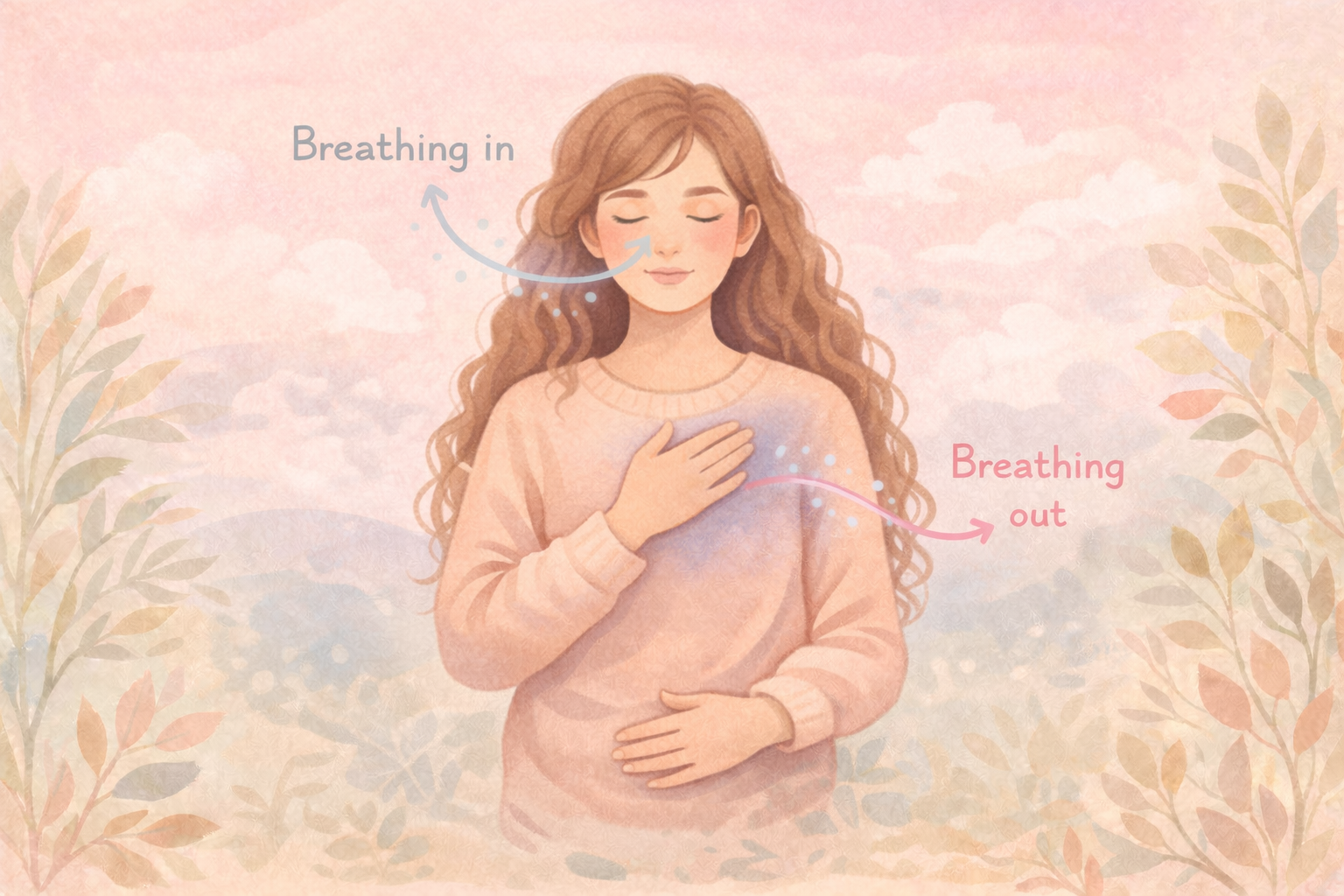
Practicing slow breathing or grounding exercises
Checking in with your body when stress appears
Speaking about emotions openly with trusted people
Over time, these habits help build a stronger connection between your mind, body, and emotions.
And that connection is what makes emotional healing sustainable
Key Takeaways:
Emotional Healing and Self-Awareness
Here are the key points to remember:
Emotional healing begins with awareness of your internal experience.
Your body often signals emotions before your mind recognizes them.
Physical sensations like tension, fatigue, or restlessness can reflect emotional stress.
Practicing emotional awareness helps regulate the nervous system.
Small daily check-ins can strengthen your connection to your emotions.
The more we listen to our body’s signals with curiosity and compassion, the more we create space for meaningful emotional healing.
You may also find these blogs helpful as you continue exploring emotional awareness and self-trust:
Your body has been communicating with you all along.
Now you have the chance to truly listen.
If you're ready to deepen your emotional awareness and build trust within yourself, start here:
The Free Self-Trust Mini Workbook will gently guide you to:
✔ Recognize emotional signals in your body
✔ Understand what you’re truly feeling
✔ Develop a stronger sense of self-trust
You don’t need to have everything figured out, just be willing to notice.

Learning to listen to your emotions, and your body, can open the door to deeper clarity, confidence, and wellbeing.
If you are looking for more guidance on how to build more emotional awareness feel free to reach out and schedule a self-trust clarity call.
Email us at info@ericatrestynlcsw.com for questions or feedback.
Frequently Asked Questions About Emotional Awareness
-
Emotional awareness is the ability to recognize, understand, and name your emotions as they arise without judgement. It allows you to respond thoughtfully to emotional experiences rather than reacting automatically.
-
Emotions often appear through physical sensations such as tightness in the chest, tension in the shoulders, stomach discomfort, or fatigue. Learning to notice these signals helps build emotional awareness and supports emotional healing.
-
Self-awareness helps you recognize emotional patterns, understand triggers, and identify your needs more clearly. This awareness creates the foundation for lasting emotional healing.