How to Set Boundaries Without Feeling Guilty
For many people, the idea of setting boundaries sounds empowering in theory, but much harder in practice.
You might recognize that you need more space, less responsibility, or clearer expectations in a relationship. Yet when the moment comes to communicate that need, hesitation and guilt often appear.
You may worry about hurting someone’s feelings, being misunderstood, or seeming selfish. As a result, it can feel easier to stay silent and continue accommodating others.
Over time, however, avoiding boundaries can lead to emotional exhaustion and resentment.
This article is part of our Healthy Boundaries and Self-Trust Series, where we explore practical ways to protect your energy and strengthen confidence in your decisions. In the previous article, we explored why saying no can feel so difficult and how people-pleasing patterns develop. Here we focus on the next step; learning how to communicate boundaries clearly while managing the guilt that often arises during the process.
Why Setting Boundaries Often Triggers Guilt
Guilt is one of the most common emotional responses people experience when beginning to set boundaries.
When relationships have been built around constant availability or accommodation, introducing new limits can feel uncomfortable, not only for others, but for you as well.
Many individuals who struggle with boundaries carry internal beliefs such as:
“I should always be helpful.”
“I don’t want to disappoint others.”
“I’m not allowed to make mistakes.”
These beliefs can create an automatic sense of responsibility for other people’s reactions.
It’s important to remember that guilt does not always mean you have done something wrong. Sometimes guilt appears simply because you are stepping outside a familiar pattern.
As new relationship dynamics form, this feeling typically becomes less intense.
What Healthy Boundaries Actually Look Like
Boundaries help define what is emotionally and practically sustainable for you.
They allow you to communicate what you are comfortable with, while maintaining respect for the needs of others.
Healthy boundaries may include:
Limiting work communication outside of business hours
Declining commitments when your schedule is full
Expressing your need for personal time
Asking for support when you feel overwhelmed
Protecting your emotional space in difficult conversations
Rather than creating distance, healthy boundaries often strengthen relationships by creating clarity and reducing misunderstandings.
If you are still learning to recognize when boundaries are needed, emotional awareness can help guide you. Our article on Emotional Healing Through Self-Awareness: Recognizing the Signals Your Body Sends explores how physical and emotional cues can reveal when a boundary might be necessary.
Why Overexplaining Weakens Boundaries
Many people who struggle with people-pleasing feel the need to justify their decisions extensively.
You may find yourself offering long explanations or apologizing repeatedly when setting limits.
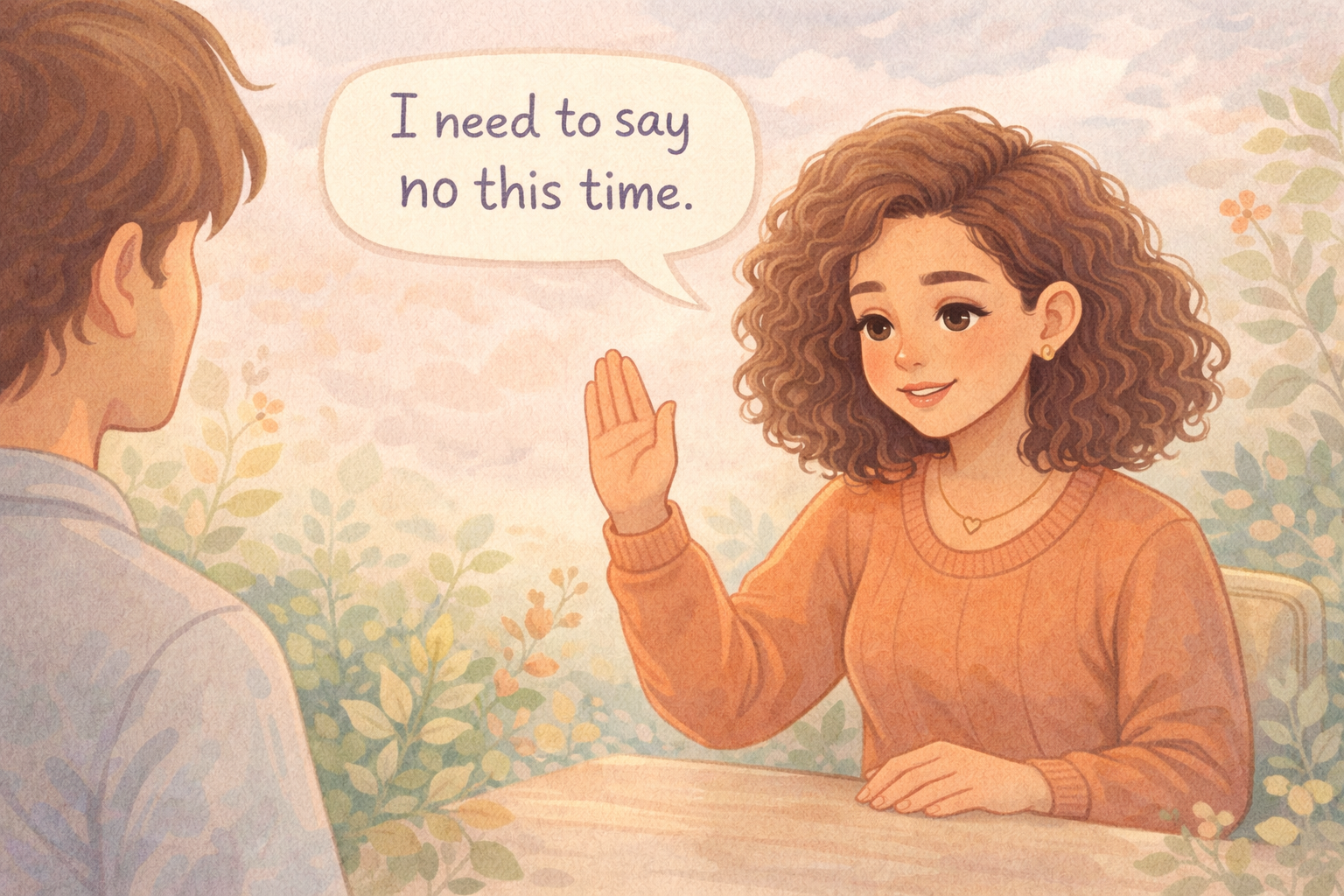
While this response is understandable, overexplaining can unintentionally weaken the clarity of your boundary.
Clear communication is usually enough.
For example:
Instead of saying, “I’m so sorry, I wish I could help, but I’ve had such a busy week and I’m really overwhelmed…”
You might simply say, “I’m not able to take that on right now.”
Shorter responses can feel uncomfortable initially, but they reinforce the message that your time and energy are valuable.
Boundary Scripts You Can Practice
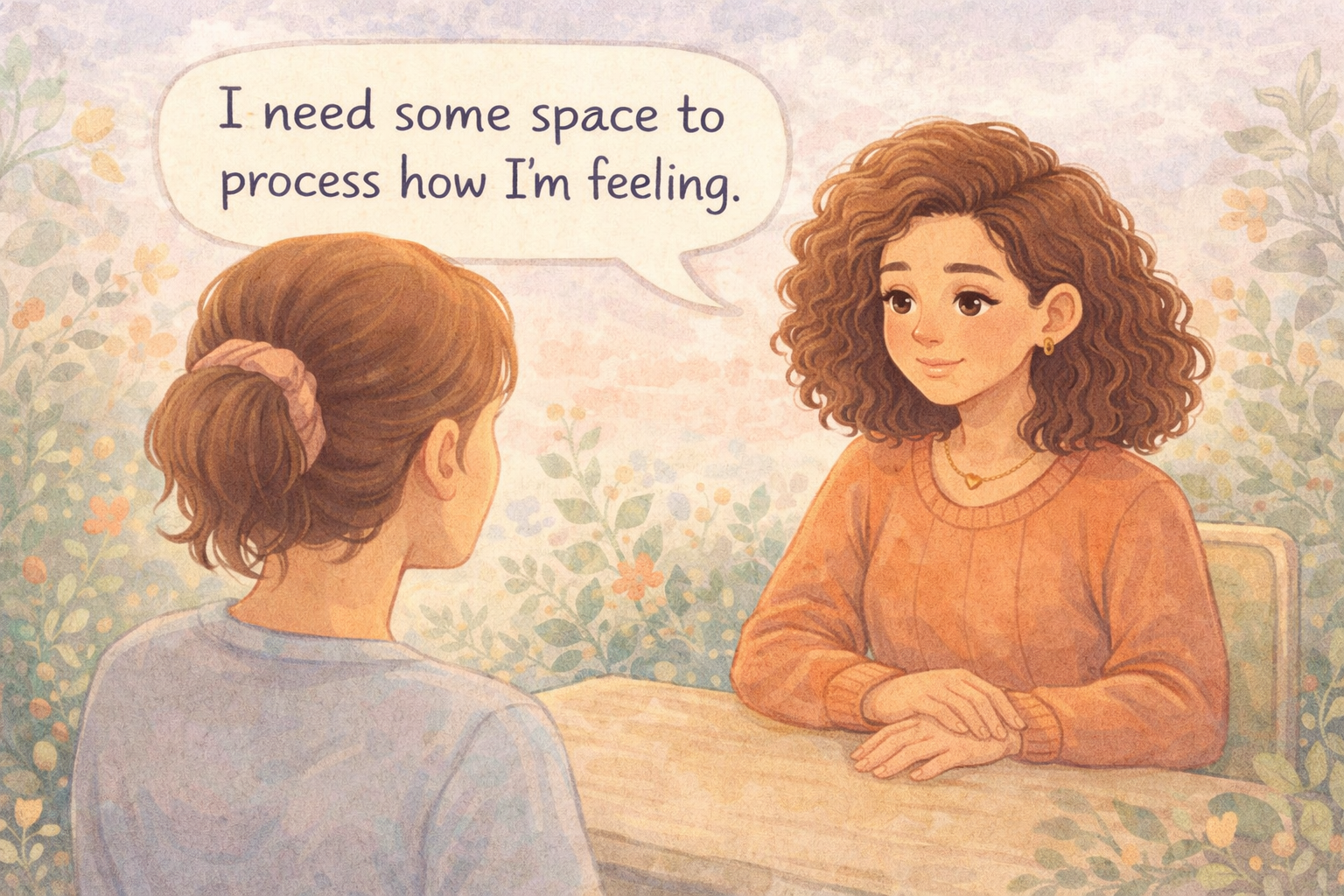
Practicing language ahead of time can make boundary-setting feel less intimidating.
Here are a few examples you might try:
For social invitations
“Thank you for inviting me, but I can’t make it this time.”
For emotional boundaries
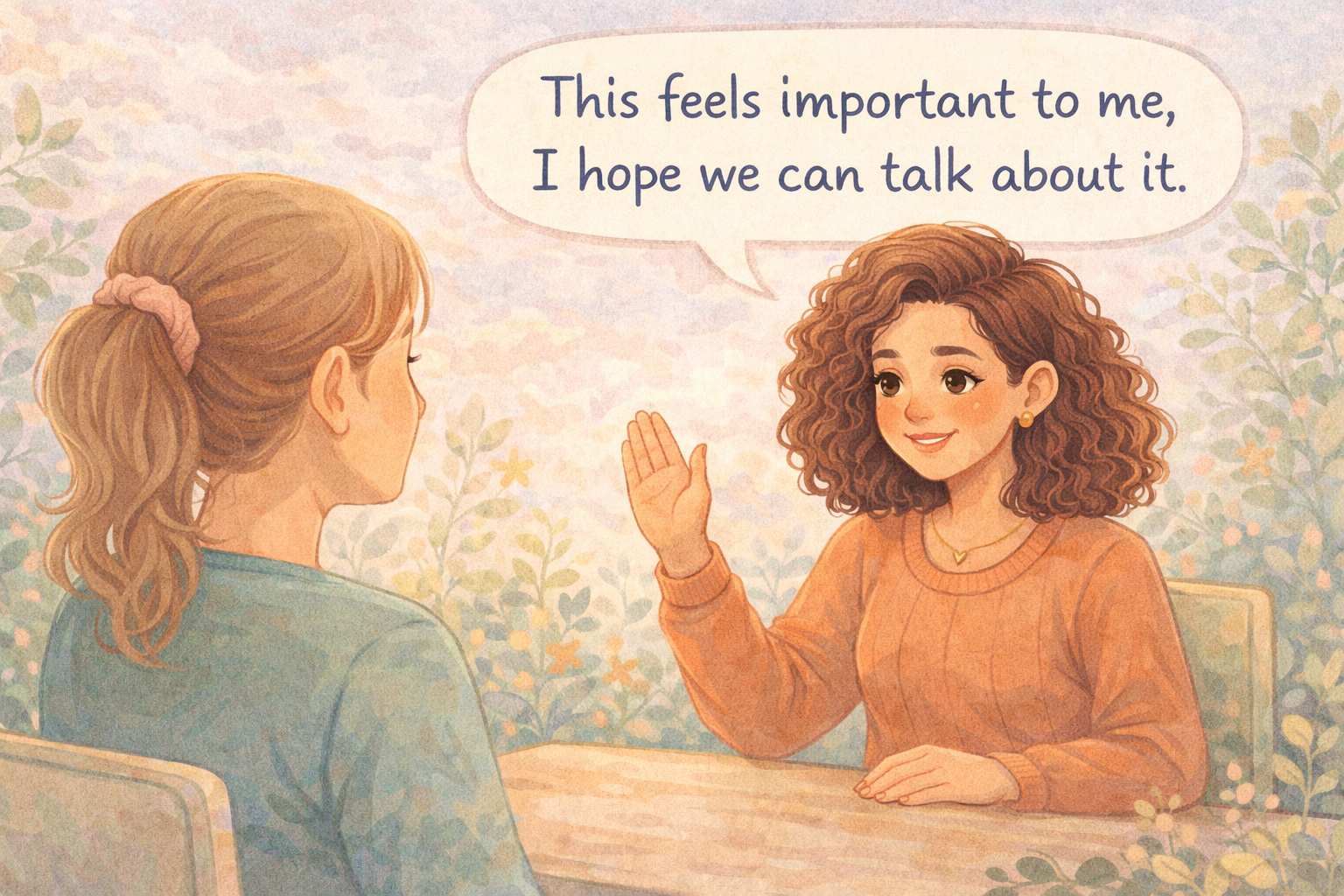
“This is really important to me, but we are going to have to talk about this at another time.”
For protecting personal time
“I’ve have already committed that time for….”
Using simple, respectful language allows you to communicate clearly without creating unnecessary tension.
Emotional Awareness Makes Boundaries Easier
Many people first recognize the need for boundaries through emotional or physical signals.
For example, you might notice:
Feeling drained after conversations
Irritation or frustration building over time
Physical responses around certain people
Difficulty focusing when overwhelmed
These signals often indicate that your emotional energy needs protection.
Learning to pause and check in with these signals can help you identify when boundaries are necessary.
If you’re interested in learning how emotional regulation supports boundary-setting, our article on emotional healing techniques that calm the nervous system offers helpful insight.
Practicing Boundaries Gradually
It’s important to remember that boundaries are a skill that develops gradually.
You do not need to change every relationship dynamic overnight.
Many people begin with smaller boundaries, such as:
Taking time before responding to requests
Being more mindful of their scheduled commitments throughout the week
Scheduling regular personal time
Expressing preferences more openly
Each of these small actions reinforces the belief that your needs matter.
Over time, these moments of self-respect become more natural and comfortable.
In Conclusion
Setting boundaries is a process that unfolds through awareness, communication, and practice. While feelings of guilt may arise when long-standing patterns begin to change, these emotions often reflect growth rather than wrong doing.
By learning to express limits clearly, listening to the signals of your mind and body, and allowing yourself the space to prioritize your well-being, boundaries become an essential tool for maintaining balance.
Over time, these small moments of self-respect strengthen confidence, and create healthier relationships.
If you’re beginning to practice boundary-setting, strengthening self-trust can make the process feel much easier.
Download the Free 5-Day Self-Trust Mini Workbook, which includes simple exercises designed to help you reconnect with your inner voice and begin making decisions with greater clarity and confidence.
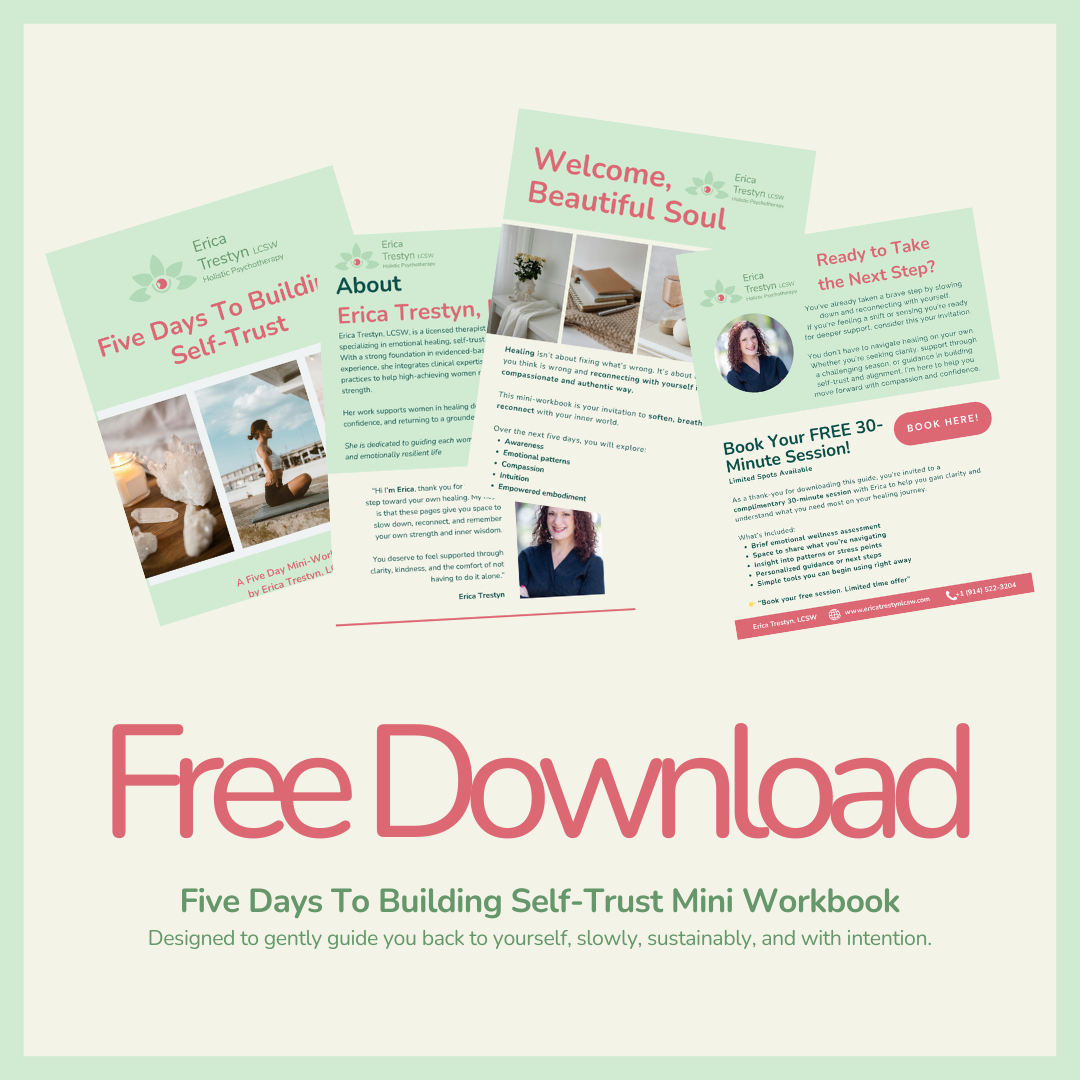
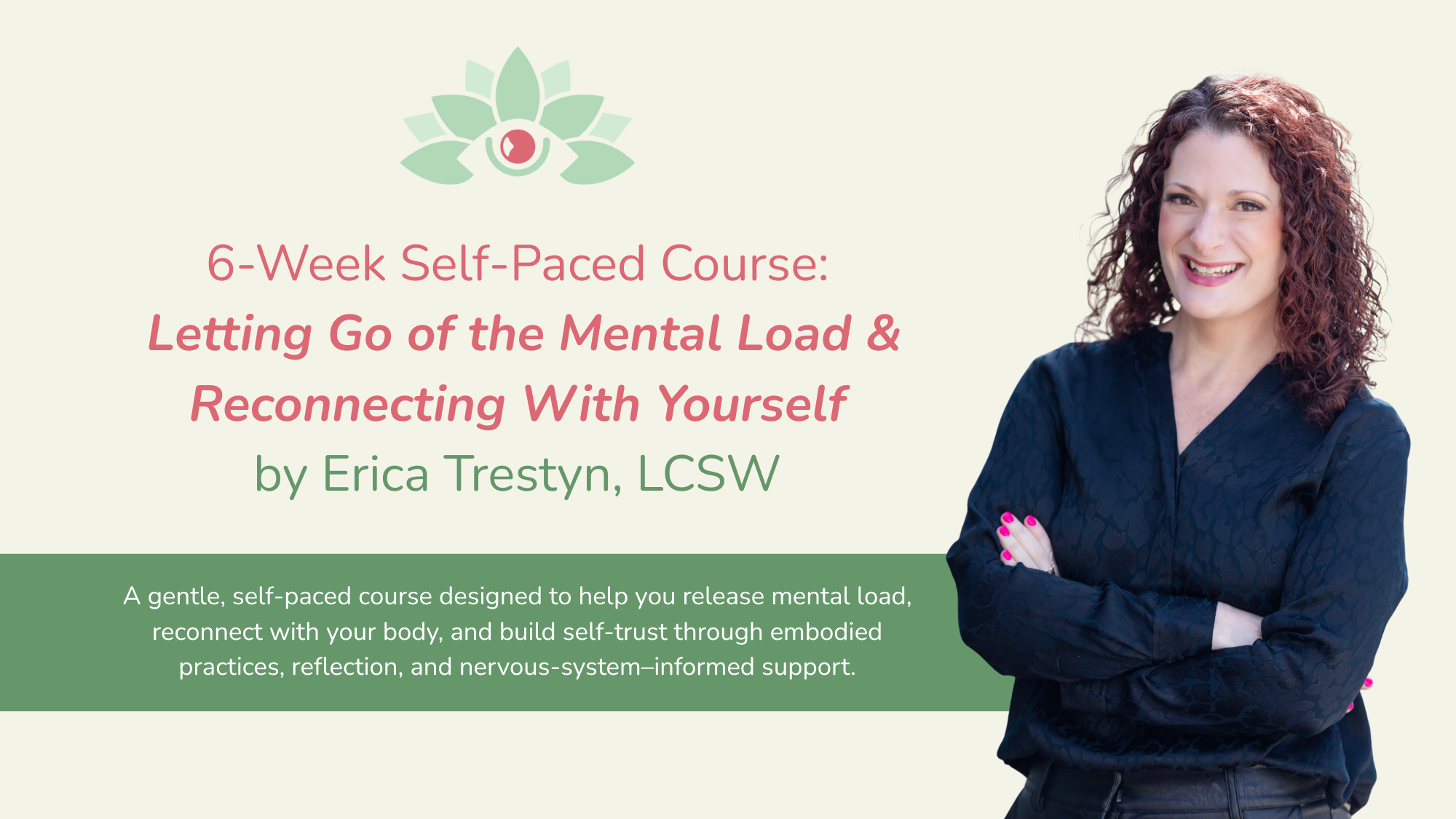
If you'd like deeper guidance in developing boundaries and overcoming self-doubt, you’re welcome to schedule a free consultation to learn more about the 6-Week Self-Trust Program. And this month, in honor of Mental Health Awareness Month I am offering a limited time Promotional Discount for Enrolling!
Schedule a Free Call to Find Out More About How To:
Communicate boundaries clearly
Strengthen emotional awareness
Reduce anxiety and self-doubt
Reconnect with inner confidence
Email: info@ericatrestynlcsw.com
Frequently Ask Questions
-
Guilt often appears when relationship patterns change. It does not necessarily mean the boundary is wrong.
-
Clear and calm communication is key. Boundaries can be expressed without criticism or blame.
-
Some individuals may need time to adjust, but healthy relationships typically adapt to mutual needs.