Why Saying No Feels So Hard: Understanding People-Pleasing and Emotional Boundaries
Have you ever agreed to something you didn’t really want to do; only to feel overwhelmed, exhausted, or even resentful afterward?
For many people, saying “yes” feels automatic. Even when schedules are full and energy is low, it can feel easier to accommodate someone else’s request than to risk disappointing them.
Over time, this pattern can lead to emotional exhaustion and a quiet sense that your own needs are always coming last.
This experience is often connected to people-pleasing, a behavioral pattern where maintaining harmony or approval becomes more important than honoring personal boundaries.
This article is part of our Healthy Boundaries and Self-Trust Series, where we explore practical ways to protect your energy, strengthen emotional awareness, and build confidence in your decisions.
Understanding why saying no feels difficult is the first step toward creating healthier relationships; with others and with yourself.
What Is People-Pleasing?
People-pleasing is the habit of consistently prioritizing other people’s needs, expectations, or emotions above your own.
At first glance, people-pleasing can look like kindness or generosity. Many people who struggle with boundaries are thoughtful, empathetic, and deeply caring.
The challenge arises when this instinct to care for others becomes so strong that it overrides personal well-being.
Over time, people-pleasing can lead to:
Chronic Stress
Emotional Burnout
Difficulty Making Decisions
Resentment in Relationships
Disconnection from your Own Needs
Instead of feeling supportive and balanced, relationships may begin to feel draining or one-sided.
How People-Pleasing Patterns Develop
For many individuals, people-pleasing begins early in life.
Children naturally look for ways to feel safe, accepted, and loved within their environment. If approval or harmony seemed connected to being helpful, agreeable, or accommodating; those behaviors may have become automatic.
For example, you may have learned that:
keeping the peace prevented conflict
helping others earned appreciation
being easygoing made relationships smoother
These patterns can be adaptive in childhood, but they often follow us into adulthood where they become limiting.
Instead of asking, “What do I need right now?” the internal question becomes:
“What will make everyone else comfortable?” or “What can I do to take care of you?”
Over time, this can make it difficult to even recognize your own needs or preferences.
Signs You May Be Struggling With Emotional Boundaries
People-pleasing often shows up in subtle ways.
You might notice yourself:
Saying yes to commitments you feel too tired for
Feeling responsible for other people’s emotions
Apologizing frequently, even when unnecessary
Overexplaining your decisions
Worrying about how others will react if you set limits
These experiences often indicate that emotional boundaries may need strengthening.
Emotional awareness plays an important role here. Learning to recognize what your body and mind are signaling can help you identify when a boundary is needed.
If you'd like to explore this connection further, you may find it helpful to read our article on Emotional Healing Through Self-Awareness: Recognizing the Signals Your Body Sends.
Why Saying No Can Feel So Uncomfortable
Even when we logically understand that boundaries are healthy, saying no can still feel uncomfortable.
This is because boundaries don’t only involve communication. They also involve emotional safety.
Your nervous system may interpret boundary-setting as a potential threat to relationships.
Common fears include:
Fear of Rejection
Fear of Conflict
Fear of Disappointing Others
Fear of Being Perceived as Selfish
When these fears are activated, your brain naturally looks for the safest option. Often, that option is simply saying yes.
Unfortunately, repeatedly ignoring your own needs can slowly lead to resentment or emotional fatigue.
The Cost of Always Saying Yes
While saying yes may create short-term harmony, it can have long-term consequences for emotional well-being.
When boundaries are unclear, individuals may begin to experience:
Burnout
Chronic Overwhelm
Loss of Personal Time
Difficulty Focusing
Emotional Frustration
Many people eventually reach a point where they feel exhausted from trying to meet everyone else's expectations.
Recognizing this pattern is not a sign of failure, it’s a sign of growing awareness.
And awareness is where change begins.
A Small But Powerful Shift: The Pause
One of the most effective tools for breaking people-pleasing patterns is surprisingly simple.
Pause before responding.
Instead of answering immediately, try giving yourself time to check in with your needs.
Examples might include:
“Let me check my schedule first.”
“I’ll think about that and get back to you.”
“Let me see what I have going on this week.”
This pause creates space for your nervous system to settle and allows you to respond intentionally instead of automatically.
Over time, this small habit can transform the way you make decisions.
If you’re ready to begin practicing this skill more intentionally, our next article explores how to set boundaries without guilt.
Self-Compassion Is Part of the Process
Changing long-standing patterns takes time.
If you’ve spent years prioritizing other people’s needs, learning to set boundaries can feel unfamiliar at first.
You might experience moments of guilt, hesitation, or uncertainty.
This is completely normal.
Instead of judging yourself during this process, try approaching the experience with curiosity and compassion.
Boundaries are not about becoming rigid or distant. They are about creating relationships that feel balanced, supportive, and sustainable.
In Conclusion
When we begin to understand why saying “no” feels so difficult, we uncover how deeply our patterns of connection, safety, and belonging shape the way we show up in relationships. People pleasing often starts as a way to preserve harmony or avoid conflict, but over time it can quietly lead to emotional exhaustion and a disconnection from our own needs and truth.
With greater emotional awareness, we can learn to pause just for a moment before responding, creating space to choose rather than react. When this process is approached with self compassion instead of self criticism, change becomes gentler and more sustainable.
Healthy boundaries are not walls that push people away, they are intentional guides that allow us to stay connected to others while remaining anchored in ourselves.
If you’re beginning to recognize people-pleasing patterns in your life, developing
Self-Trust can be an important next step.
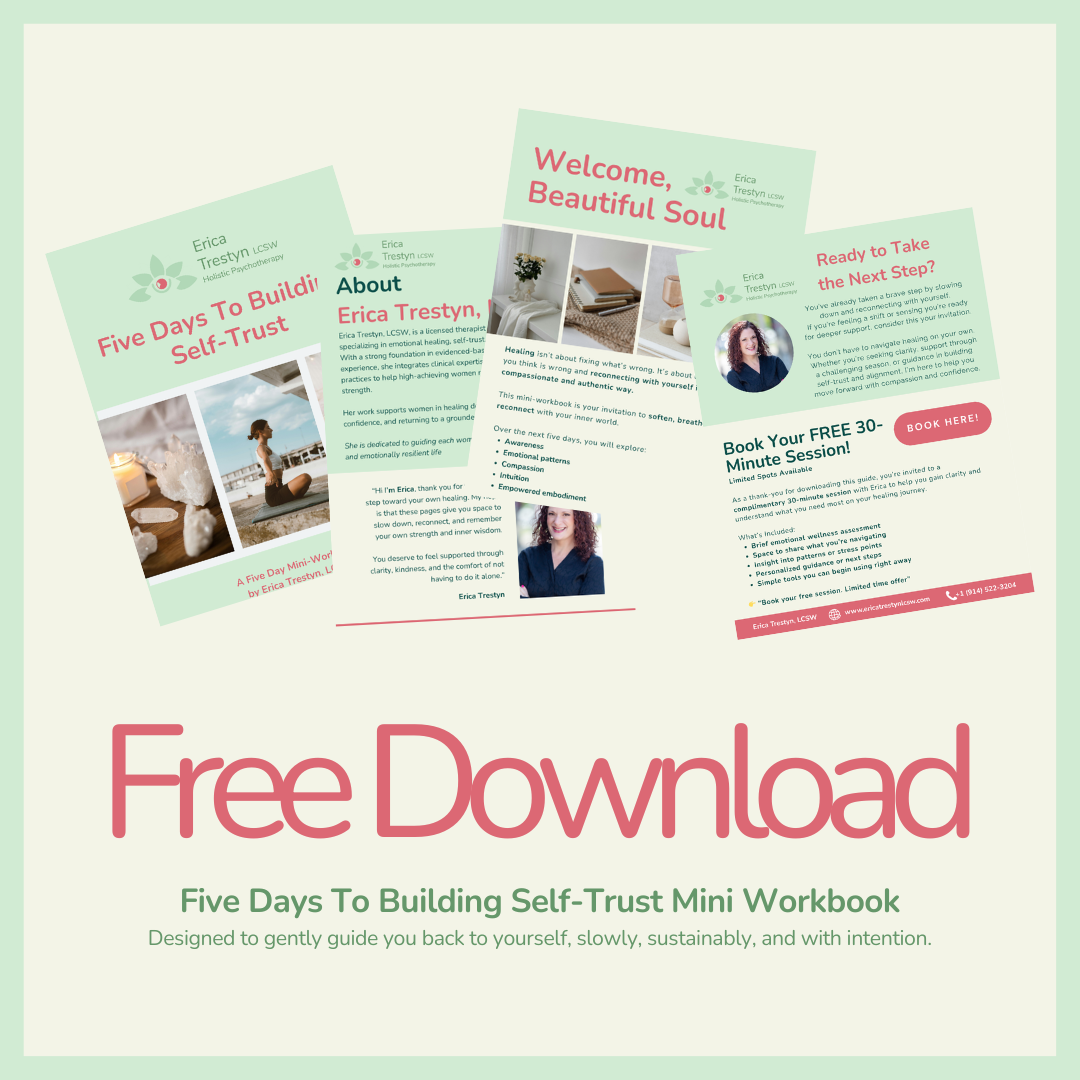
My Free 5-Day Self-Trust Mini Workbook includes simple exercises designed to help you reconnect with your inner voice, strengthen emotional awareness, and begin practicing healthier boundaries.
Download the workbook to begin exploring these tools at your own pace.
If you're ready to explore these patterns more deeply, you’re welcome to schedule a free consultation to learn more about my 6-Week Self-Trust Program. And this month, in honor of Mental Health Awareness Month I am offering a limited time Promotional Discount for Enrolling!
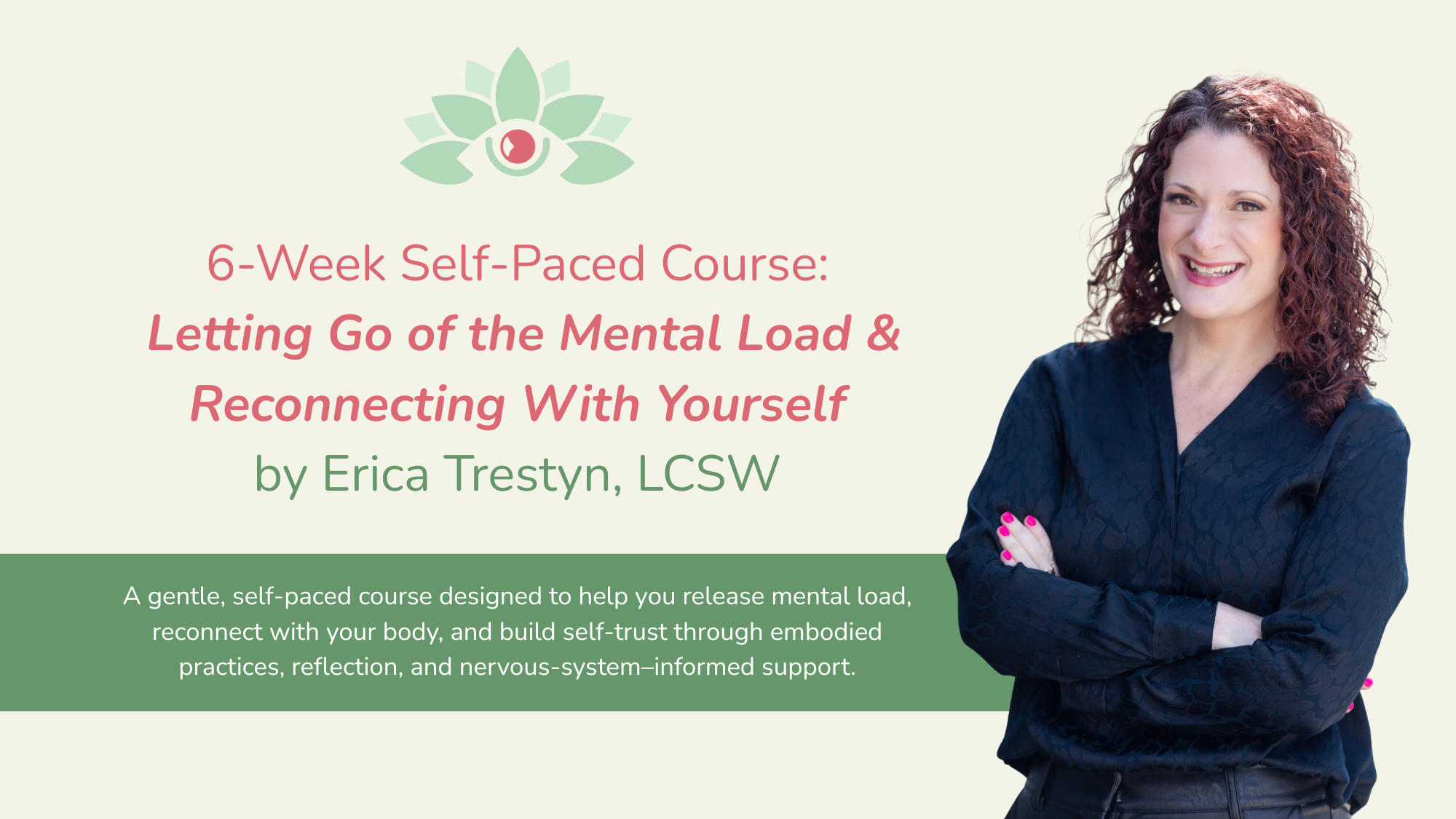
Schedule a Call to learn More About How to:
Strengthen Emotional Awareness
Set Boundaries with Confidence
Overcome Self-Doubt
Reconnect with Mind and Body
Email: info@ericatrestynlcsw.com
Frequently Ask Questions
-
Many people learn early in life that being agreeable helps maintain harmony in relationships. Over time, this pattern can make it difficult to express personal needs without feeling guilt or anxiety.
-
Healthy boundaries support emotional wellbeing and allow relationships to function with greater balance and mutual respect.
-
Yes. When individuals consistently prioritize others’ needs above their own, emotional exhaustion and overwhelm can develop.
-
The first step is awareness. Noticing when you feel overwhelmed, drained, or resentful can signal that a boundary may be needed.