Emotional Healing: How to Process Difficult Emotions Without Shutting Down or Overreacting
One of the most important parts of emotional healing is learning how to process difficult emotions in a healthy and balanced way. When strong feelings arise, many people either become overwhelmed by them or try to shut them down completely. Developing emotional awareness and emotional regulation skills allows you to stay present with your emotions, understand what they are communicating, and respond in ways that support healing rather than reinforce old patterns.
Emotional Healing:
How to Process Difficult Emotions Without Shutting Down or Overreacting
If you’ve ever felt overwhelmed by your emotions or completely numb to them, you’re not alone.
Many people struggle with how to process difficult emotions in a healthy way. When strong feelings arise, our nervous system often reacts automatically. Some people become flooded with emotion and react impulsively. Others shut down, disconnect, or avoid their feelings entirely.
Both responses are common. They’re also part of your nervous system trying to protect you.
But true emotional healing happens when we learn how to stay present with our emotions without becoming overwhelmed by them.
In this article, we’ll explore:
Why difficult emotions feel so intense
Why people either shut down or overreact emotionally
How to process emotions in a healthier way
Practical emotional regulation skills that support emotional healing
Why Difficult Emotions Can Feel So Overwhelming
Our emotional responses are deeply connected to our nervous system.
When something feels threatening, whether it’s conflict, rejection, criticism, or stress, our brain activates protective (defense) responses like fight, flight, or freeze.
You may notice experiences like:
Sudden anger or defensiveness
Anxiety and racing thoughts
Emotional shutdown or numbness
Avoidance or withdrawal
These reactions are part of the body’s survival system.
Research discussed by American Psychological Association shows, that strong emotions activate brain regions responsible for survival responses, which can temporarily override logical thinking.
This is why it can feel so difficult to stay calm or reflective when emotions are intense.
Understanding this process is an important step in emotional healing because it reminds us that emotional reactions are not personal failures. They’re nervous system responses.
The Two Common Emotional Responses: Overreaction or Shutdown

Emotional Flooding
(Commonly referred to as Emotional Overload)
This happens when emotions feel too big to manage.
You might experience:
Anger that escalates quickly
Anxiety that feels uncontrollable
Crying or emotional overwhelm
In these moments, your nervous system is highly activated.

Emotional Shutdown
Other times, the body moves into a protective freeze response.
This can look like:
Feeling emotionally numb
Withdrawing from conversations
Difficulty expressing feelings
Avoiding emotional situations altogether
Shutdown can feel safer in the moment, but it can also prevent emotional processing.
Both responses are understandable, but emotional healing involves learning how to stay present with emotions without becoming consumed by them. Learning to be uncomfortable, with uncomfortable feelings.
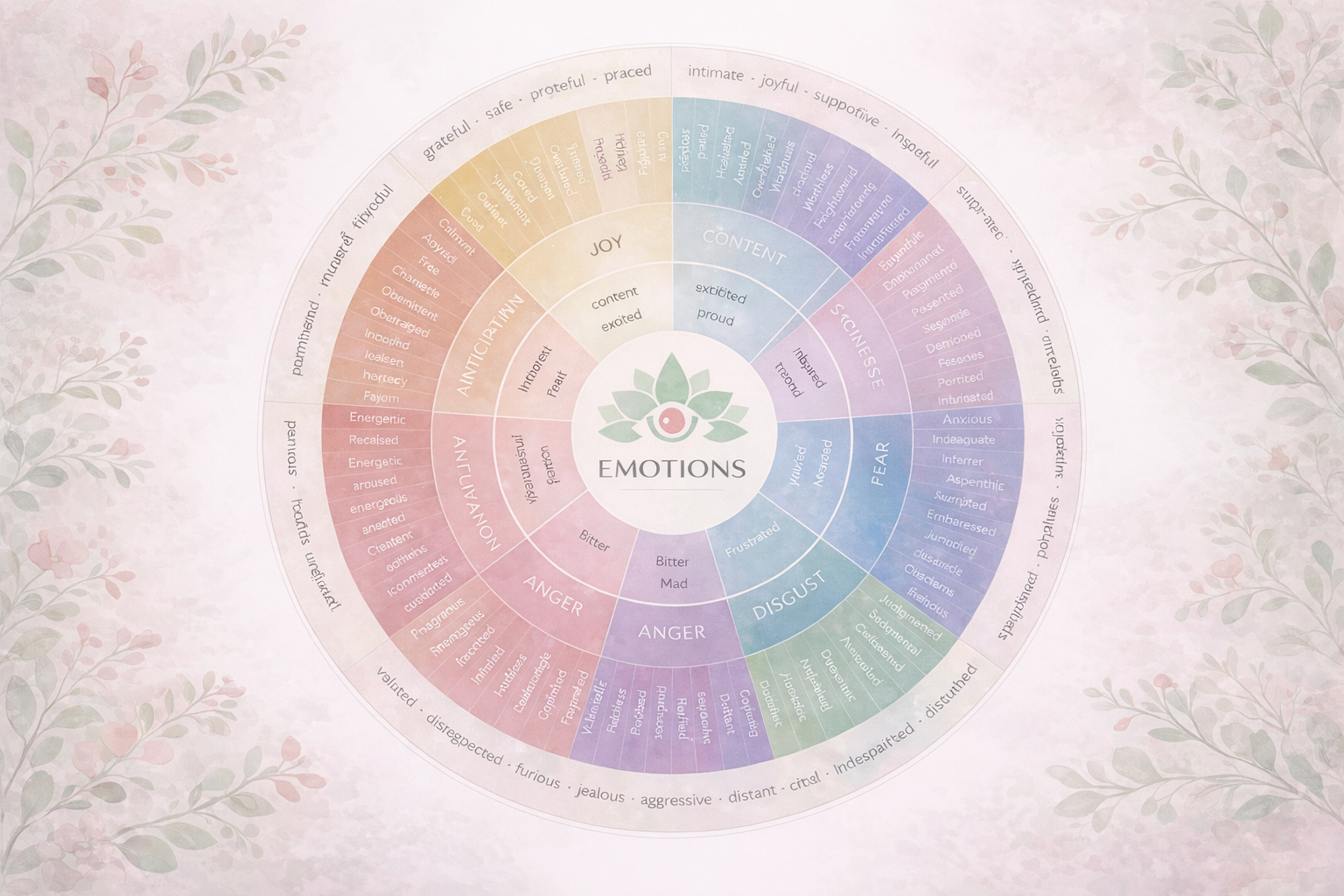
The First Step to Emotional Healing: Naming the Emotion
Before we can process emotions, we need to identify them.
Simply naming what you're feeling can help regulate emotional intensity.
For example:
Instead of thinking:
“Everything feels terrible right now.”
Try identifying the emotion more specifically:
“I feel disappointed.”
“I feel anxious about this conversation.”
“I feel hurt by what happened.”
This simple step creates space for emotional healing. When we create space and identify how we are feeling we can begin to cultivate compassion and understanding for ourselves.
A Simple Framework for
Processing Difficult Emotions

Processing emotions doesn’t require dramatic changes. It often begins with small, mindful steps.
Step 1: Pause Before Reacting
When emotions rise, take a moment to pause.
Slow breathing or grounding can help calm the nervous system before responding.
Step 2: Acknowledge the Emotion
Instead of pushing the emotion away, acknowledge it.
For example:
“I notice that I feel frustrated right now.”
Becoming aware of how we feel is the first step towards emotional healing.
Step 3: Get Curious
Ask yourself:
What triggered this emotion?
What might this feeling need?
Is there something important beneath this reaction?
Curiosity transforms emotions into information. This is another step towards practicing compassion rather than criticism.
Step 4: Choose Your Response
Once the emotion is understood, you can respond intentionally.
You might:
Set a boundary
Take space to regulate
Communicate your feelings calmly
These choices strengthen emotional resilience. If you are unsure how to respond, don't. We don’t want to make a choice from an emotional place. This is a signal that our mind and our body are not done processing our emotions.
Emotional Regulation Skills
That Support Emotional Healing
Developing emotional regulation takes practice, but a few key skills can make a meaningful difference.
Helpful tools include:
Breathing practices
Slow breathing helps calm the nervous system and reduce emotional intensity.Body awareness
Noticing where emotions appear physically helps release tension.Journaling
Writing about emotional experiences creates clarity and insight.Self-compassion
Speaking to yourself with kindness rather than criticism supports emotional healing.
Emotional Healing Is About
Learning to Stay Present
Many people believe emotional healing means eliminating difficult emotions.
But emotions are part of being human.
The real goal is learning how to stay present with emotions without being overwhelmed by them. The more we can learn to tolerate our emotions, especially the uncomfortable ones, the more regulated and trusting we become of ourselves.
Over time, this creates:
Stronger emotional awareness
Healthier communication
Improved nervous system regulation
Deeper Self-Trust
And most importantly, it allows emotions to move through you instead of remaining stuck.
Key Takeaways
Here are the most important ideas to remember:
Difficult emotions are natural nervous system responses.
People often cope by either overreacting or shutting down emotionally.
Naming emotions helps regulate emotional intensity.
Processing emotions involves curiosity, awareness, and self-compassion.
Emotional regulation skills support long-term emotional healing.
Learning to process difficult emotions is not about perfection, it’s about practice.
Each moment of awareness is a step toward deeper emotional healing.
Helpful Resources
To continue exploring emotional healing, you may also find these blogs helpful:
If you’re looking for support in learning how to process emotions and build emotional awareness, we’re here to help.
Download my Free 5-Day Self-Trust Mini Workbook with short guided reflections and realistic exercises you can complete in about 10 minutes a day. It’s designed to help you build awareness and strengthen your confidence on your path to emotional healing.
If you are looking for more guidance on how to build more emotional awareness feel free to reach out and schedule a Free Self-Trust Clarity Call Below.
Email us at info@ericatrestynlcsw.com for questions or feedback.
Frequently Asked Questions About Processing Emotions
-
Processing emotions involves acknowledging what you feel, allowing the emotion to be present without judgment, and exploring what the feeling may be communicating. Practices like journaling, mindfulness, and emotional reflection can help support this process.
-
Emotional shutdown or avoidance often occurs when the nervous system becomes overwhelmed. It can be a protective response designed to reduce emotional overload or prevent further stress.
-
Emotional regulation helps you stay present with difficult or uncomfortable emotions without becoming overwhelmed. Over time, developing these skills supports emotional healing and resilience.