How to Build Confidence Consistently: Simple Daily Practices That Work

Confidence is something many people believe they need to feel before they act.
We often imagine that confident people wake up feeling certain, motivated, and fearless.
But the truth is much simpler and much more hopeful.
Confidence is not something you wait for. It is something you build through small actions taken over time.
Learning how to build confidence consistently does not require dramatic life changes or a complete reinvention of yourself. It grows through small, daily choices that show your mind and body that you can trust yourself.
Each time you make a decision, speak honestly, set a boundary, or try something new, you create evidence that you are capable.
Confidence is less about personality and more about practice.
If you have ever wondered how some people seem calm, grounded, and quietly sure of themselves, the answer is usually not that they are fearless. It is that they have practiced trusting themselves in small ways for a long time.
In this article, we will explore how to build confidence consistently through simple daily practices that truly work.
Why Confidence Follows Action
Not the Other Way Around
One of the biggest misconceptions about confidence is that you need it before you begin.
Many people delay decisions, conversations, opportunities, or personal goals because they believe they should feel confident first.

In reality, confidence usually develops after we take action.
When you take even a small step forward, your brain gathers proof that you can handle uncertainty.
This is how confidence grows.
You decide something without asking five other people first.
You share your opinion even though your voice shakes a little.
You try something imperfectly instead of waiting until you feel ready.
These moments might seem small, but they reshape your internal belief system.
Over time, your mind begins to register a new pattern.
I can make decisions.
I can handle discomfort.
I can show up even when I feel unsure.
This process aligns with research from the American Psychological Association, which shows that, confidence and self-efficacy often grow through repeated experience and problem solving, rather than through waiting for motivation to appear.
Create Daily Micro Practices
That Strengthen Confidence
If you want to learn how to build confidence consistently, the most powerful strategy is surprisingly simple.

Create small, repeatable habits.
Confidence grows like a muscle. It strengthens through consistent use rather than occasional intense effort.
This is where daily micro practices become incredibly powerful.
Instead of trying to completely transform your personality, focus on small actions that reinforce self trust.
Examples of daily confidence micro practices include;
Pause before automatically saying yes and check if you truly have the energy or capacity.
Make one decision each day without asking for reassurance.
Set one small boundary and follow through with kindness.
Complete a task you have been procrastinating.
Speak up once in a conversation where you normally stay quiet.
These actions may seem minor at first, but they build an internal record of reliability.
Your nervous system begins to recognize a new truth.
I show up for myself.
My needs matter.
I can handle uncomfortable moments.
According to research from Harvard Business Review, small consistent habits create sustainable behavior change far more effectively than sudden large efforts.
Strengthen Your Inner Dialogue

Confidence is not only shaped by what you do. It is also shaped by how you speak to yourself.
Your internal dialogue creates the emotional environment where confidence either grows or struggles to survive.
Many people are far harsher with themselves than they would ever be with a friend.
You might notice thoughts like;
Why am I like this
I should be better than this
Everyone else seems to have it figured out
These patterns slowly erode self trust.
Learning how to build confidence consistently includes developing a more supportive internal voice.
This does not mean forcing fake positivity. It means speaking to yourself in a way that allows growth.
For example:
Instead of saying, Why am I like this?
Try asking, What do I need right now?
Instead of saying, I should have done better.
Try saying, I am learning and I can adjust.
Language matters because your brain responds to the tone you use with yourself.
Self compassion has been widely studied by Dr. Kristin Neff, whose research shows that treating yourself with understanding rather than criticism actually increases resilience and motivation.
Care for Your Nervous System
to Support Confidence

Confidence is not purely psychological. It is also physiological.
When your nervous system is overwhelmed, exhausted, or overstimulated, self doubt becomes louder.
This is why building consistent confidence also involves caring for your body.
Simple forms of nervous system support include:
Getting adequate rest
Staying hydrated and nourished
Spending time outdoors
Moving your body regularly
Taking breaks from constant digital stimulation
Creating quiet moments of reflection
When your body feels regulated, your mind has more access to clarity, calm thinking, and balanced decision making.
Confidence grows more easily when your nervous system feels safe.
Even small practices like stepping outside for fresh air or taking a few slow breaths can signal to your body that you are supported.
Let Confidence Be Quiet and Authentic

Many people imagine confidence as something loud, bold, or attention grabbing.
But real confidence often looks much quieter.
Quiet confidence might look like:
Leaving a situation when you feel drained
Saying no without offering a long explanation
Trusting your personal timeline rather than comparing yourself to others
Making choices that align with your values even when they are unpopular
The most sustainable form of confidence is not performative.
It is the steady belief that you can handle what life brings because you have practiced showing up for yourself again and again.
Learning how to build confidence consistently is not about becoming someone else.
It is about building a relationship with yourself that is grounded in respect and trust.
Key Takeaways for Building
Confidence Consistently
Confidence grows through action rather than waiting for certainty.
Small daily habits create long term self trust.
Your inner dialogue plays a major role in strengthening or weakening confidence.
Caring for your nervous system supports emotional stability and clearer thinking.
True confidence is often quiet and rooted in self respect.
When you practice these small steps consistently, confidence becomes something natural rather than something you feel you have to perform.
A Gentle Next Step to
Strengthen Self-Trust
If you would like a simple structure to begin practicing these ideas, there is an easy place to start.
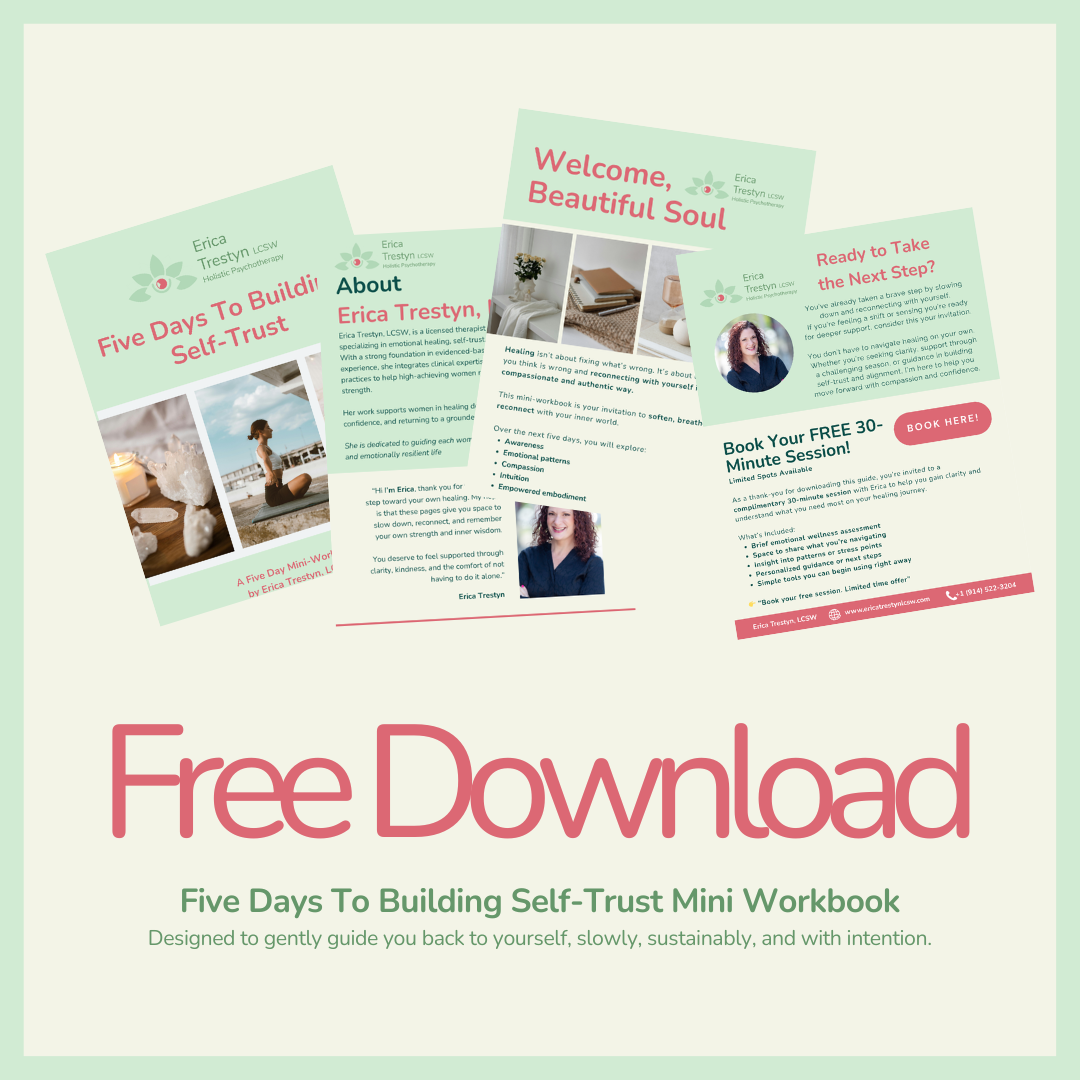
The Free 5 Day Self Trust Mini Workbook offers short guided reflections and realistic exercises designed to help you build confidence through small daily actions.
Each activity takes about ten minutes and helps you strengthen your inner dialogue, notice emotional patterns, and develop practical self trust.
You can download the workbook and begin anytime.
We are here to help you build a healthier relationship with yourself one step at a time.
If you have questions or would like support, feel free to contact us.