How to Love Yourself and Feel Confident in Your Body

Learning how to love yourself and feel confident in your body is not only about positive thinking. Many conversations around confidence focus on affirmations, mindset, and changing beliefs. While those tools are helpful, they often overlook an important part of the experience: the body.
You can remind yourself that you are capable and still feel tension in your shoulders.
You can believe you are worthy and still hold your breath when walking into a room.
You can understand the concept of self love and still feel disconnected from your physical presence.
True confidence is not only something you think. It is something you feel.
When you learn how to love yourself and feel confident in your body, confidence becomes a grounded and embodied experience. Your breath slows down. Your posture softens. You feel more present in your own skin.
This guide explores how self love connects to body awareness and how small daily practices can help you feel more confident, calm, and connected to yourself.
Why Self Love Often Feels Mental
Instead of Physical

Many people grow up learning how to evaluate themselves rather than how to experience themselves.
We are often taught to measure progress, compare achievements, and improve performance. Success becomes something to track and analyze. Yet very few people are taught how to notice what their body is doing during moments of stress or pressure.
For example, you may not notice when your jaw tightens during a difficult conversation. You might not recognize when your breathing becomes shallow before speaking in a meeting. Over time, the body becomes something we judge or control rather than something we listen to.
When self criticism appears, it does not stay in the mind alone. It shows up physically.
Your chest may collapse when you doubt your voice.
Your breathing may become tight when you fear judgment.
Your shoulders may rise when you feel pressure to perform.
These responses are not personal failures. They are protective responses from the nervous system. Your body is trying to keep you safe from rejection or discomfort.
According to research from the American Psychological Association, body awareness and emotional regulation are closely connected. When people learn to notice physical sensations in their body, they often experience improved emotional resilience and confidence.
Understanding how to love yourself and feel confident in your body begins with recognizing that confidence is not just mental. It is physical and emotional as well.
What It Really Means to Feel
Confident in Your Body

Many people imagine confidence as a bold or loud personality trait. In reality, embodied confidence often looks much quieter.
Feeling confident in your body means feeling comfortable with your presence. It means allowing yourself to exist without constantly trying to adjust or prove something.
Embodied confidence might look like this:
Breathing fully instead of holding your breath
Allowing your shoulders to relax rather than bracing
Moving at a pace that feels natural to you
Allowing moments of silence without rushing to fill them
Maintaining gentle eye contact without forcing it
Feeling grounded even when you feel uncertain
Learning how to love yourself and feel confident in your body does not mean constantly admiring yourself or feeling perfect. Instead, it means developing a steady relationship with yourself.
Self-Love is the ability to stay present with yourself even when insecurity appears.
Instead of pulling away from yourself or criticizing your reactions, you learn to respond with curiosity and compassion.
Simple Practices to Help You Love Yourself and Feel Confident in Your Body

Confidence becomes real when it is practiced through small, consistent actions. These practices help signal safety to the nervous system and build trust with yourself over time.
1. Breathe before you judge yourself
When self criticism appears, pause and take one slow breath before reacting. This moment of awareness interrupts the habit of judging yourself and replaces it with presence.
Over time, this simple practice can help your nervous system settle during stressful moments.
2. Relax one part of your body
Instead of trying to relax your entire body at once, soften one small area. This could be your jaw, your hands, or your shoulders.
Small releases are powerful because they are sustainable. Gradually, your body learns that it does not need to remain in constant tension.
3. Place a hand on your chest or stomach
Gentle touch can be surprisingly grounding. Placing a hand over your heart or stomach creates a sense of reassurance and safety.
This practice helps reconnect you with your physical presence.
4. Allow your natural pace
Confidence grows when you stop rushing to match everyone else's energy. Let your voice, movements, and responses happen at a pace that feels natural to you.
When you move at your own rhythm, your body begins to relax.
5. Stay present when discomfort appears
Self love does not mean insecurity disappears. Instead, it means you stay with yourself when discomfort arises.
Rather than shrinking, tightening, or criticizing yourself, you remain present and compassionate toward your experience.
When Confidence Becomes a Relationship Instead of a Performance

At some point, confidence shifts from something you try to show others into something you feel internally.
When you learn how to love yourself and feel confident in your body, your relationship with yourself changes.
You notice tension without assuming something is wrong.
You allow imperfection without withdrawing from yourself.
You remain grounded even when you feel uncertain.
The body becomes an ally instead of an obstacle.
This shift does not happen instantly. Like any relationship, it grows through consistent attention and gentle care.
Insight can open the door, but practice helps your nervous system learn that it is safe to relax, speak, pause, and take up space without needing permission.
Over time, confidence becomes something you carry with you rather than something you chase.
Key Takeaways About
Self-Love and Body Confidence
Learning how to love yourself and feel confident in your body is an ongoing process. It grows through awareness, patience, and small daily practices.
Here are the most important ideas to remember
Confidence is a felt experience, not only a mental belief.
Self criticism often shows up physically in the body.
Body awareness can help improve emotional resilience.
Small physical practices like breathing and relaxation build Self-Trust.
Self-Love means staying present with yourself during moments of doubt.
When you develop a supportive relationship with your body, confidence becomes steady and natural.
A Simple Next Step to Strengthen Self-Trust
Self-Confidence grows through small moments of awareness and reflection.
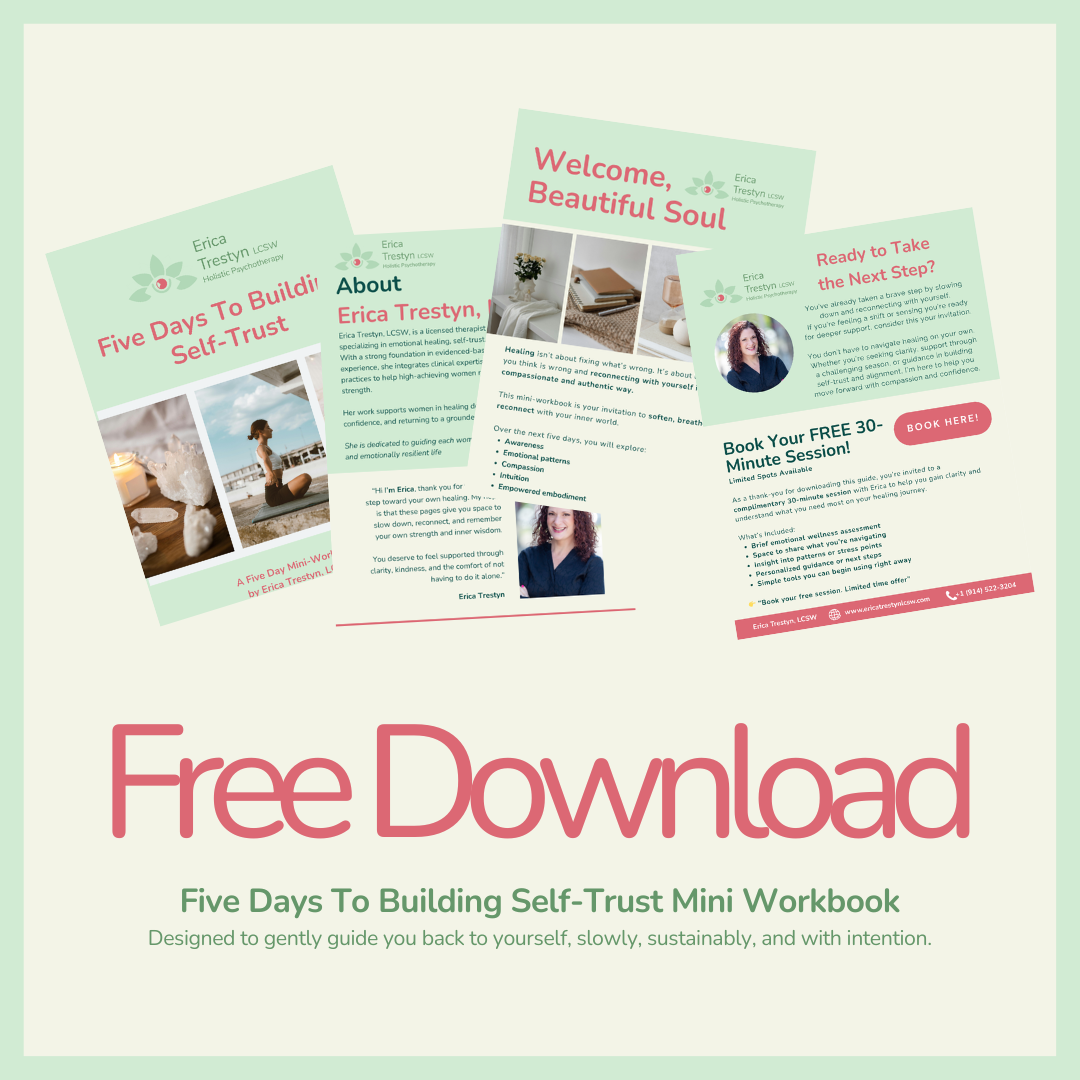
To support that process, I created a free resource to help you build stronger self trust and quiet self criticism.
This workbook includes guided prompts and reflections designed to help you reconnect with yourself and build confidence from within.