Quiet Confidence: How Boundaries and Self Care Build Real Self-Confidence
Quiet Confidence:
How Boundaries and Self Care Build Real Self Confidence Through Self Love and Body Awareness
“Quiet confidence is one of the most powerful forms of self-confidence, yet it is often misunderstood. Many people think confidence means being bold, outspoken, or completely certain about every decision.”

But real confidence is often much quieter.
Quiet confidence shows up in the way you treat yourself when no one else is watching. It appears in your ability to set boundaries, protect your energy, and care for your own needs without guilt.
Instead of proving yourself to the world, quiet confidence focuses on something deeper. It is about trusting yourself.
When you learn to honor your limits and prioritize your well being, real self-confidence begins to grow naturally.
What Quiet Confidence Really Means

Quiet confidence does not demand attention. It is not about speaking the loudest or always having the right answer.
It is the calm inner belief that you can trust yourself.
People with quiet confidence tend to move through life with more clarity and steadiness. They do not rely heavily on external validation because their decisions come from self awareness.
Instead of asking, “What will people think?”
They begin asking, “What feels right for me”
This shift allows you to make choices that align with your needs rather than constantly trying to meet everyone else's expectations.
Boundaries Are a Form of Self Respect

One of the clearest signs of quiet confidence is the ability to set healthy boundaries.
Boundaries are often misunderstood as being rigid or confrontational. In reality, boundaries are simply clear communication about what you have the capacity for and what you do not.
Setting a boundary can be simple.
“I am not available tonight”
“I need more time to decide”
“I would like to help but I cannot take this on right now”
You do not need long explanations or justifications.
When you begin honoring your limits, something important changes. You stop negotiating against yourself.
Instead of making decisions based on obligation, you begin making choices based on alignment.
Why Many People Struggle With Boundaries
Even though boundaries sound simple, many people find them difficult to practice.
Often this comes from years of people pleasing.
Many of us were taught that being helpful, agreeable, and accommodating made us valuable. Over time this can make it difficult to say no, even when we feel overwhelmed.
You may recognize thoughts like
“I do not want to disappoint anyone”
“I should just push through”
“They need me”
While these thoughts come from kindness, constantly ignoring your limits can lead to burnout and resentment.
Quiet confidence invites a different approach. Instead of automatically saying yes, you pause and check in with yourself.
“Do I truly have the energy for this?”
“Does this feel aligned with my needs?”
Learning to ask these questions strengthens your self trust over time.
Self-Care Is How Confidence
Is Maintained

If boundaries create the structure for self-confidence, self care helps maintain it.
True self-care is not about luxury or occasional indulgence. It is about the small daily choices that support your emotional and physical well being.
Self-Care can look like;
Resting before exhaustion builds into resentment
Drinking water and nourishing your body during busy days
Stepping outside for fresh air when stress increases
Taking breaks without feeling like you have to earn them
These moments may seem small, but they send an important message to yourself.
“My well being matters.”
Over time your mind begins to trust that you will show up for yourself. That reliability becomes the foundation of real confidence.
The Inner Agreement That Builds Real
Self-Confidence
When boundaries and self-care work together, they create an important inner agreement.
“My needs matter.”
“My energy matters.”
“I am allowed to honor both.”
This agreement does not eliminate doubt or discomfort. Instead it changes how you respond to those experiences.
Instead of ignoring your needs or pushing yourself beyond your limits, you begin to listen and adjust.
Over time these small adjustments create emotional steadiness.
You feel less reactive
Less depleted
More confident in your decisions
This is quiet confidence.
It is not about perfection. It is about consistency in how you treat yourself.
Small Daily Habits
That Strengthen Quiet Confidence
Quiet confidence grows through small everyday choices.
Pause before saying “Yes”
Allow yourself time to check whether something truly feels right.Protect your energy
Rest when you feel overwhelmed.Communicate honestly
Express your needs calmly and clearly.Pay attention to your inner dialogue
Replace harsh self criticism with curiosity and compassion.Celebrate small acts of self-respect
Every time you honor your limits you strengthen your self trust.
Over time these small habits create a powerful inner foundation.
Key Takeaways
Quiet confidence is grounded in self-trust rather than performance.
Healthy boundaries protect your energy and create clarity in relationships.
Self-Care supports emotional and physical well being.
Confidence grows through small consistent acts of self-respect.
The more you show up for yourself, the stronger your inner trust becomes.
Start Building Your Quiet Confidence Today
If this resonated with you,
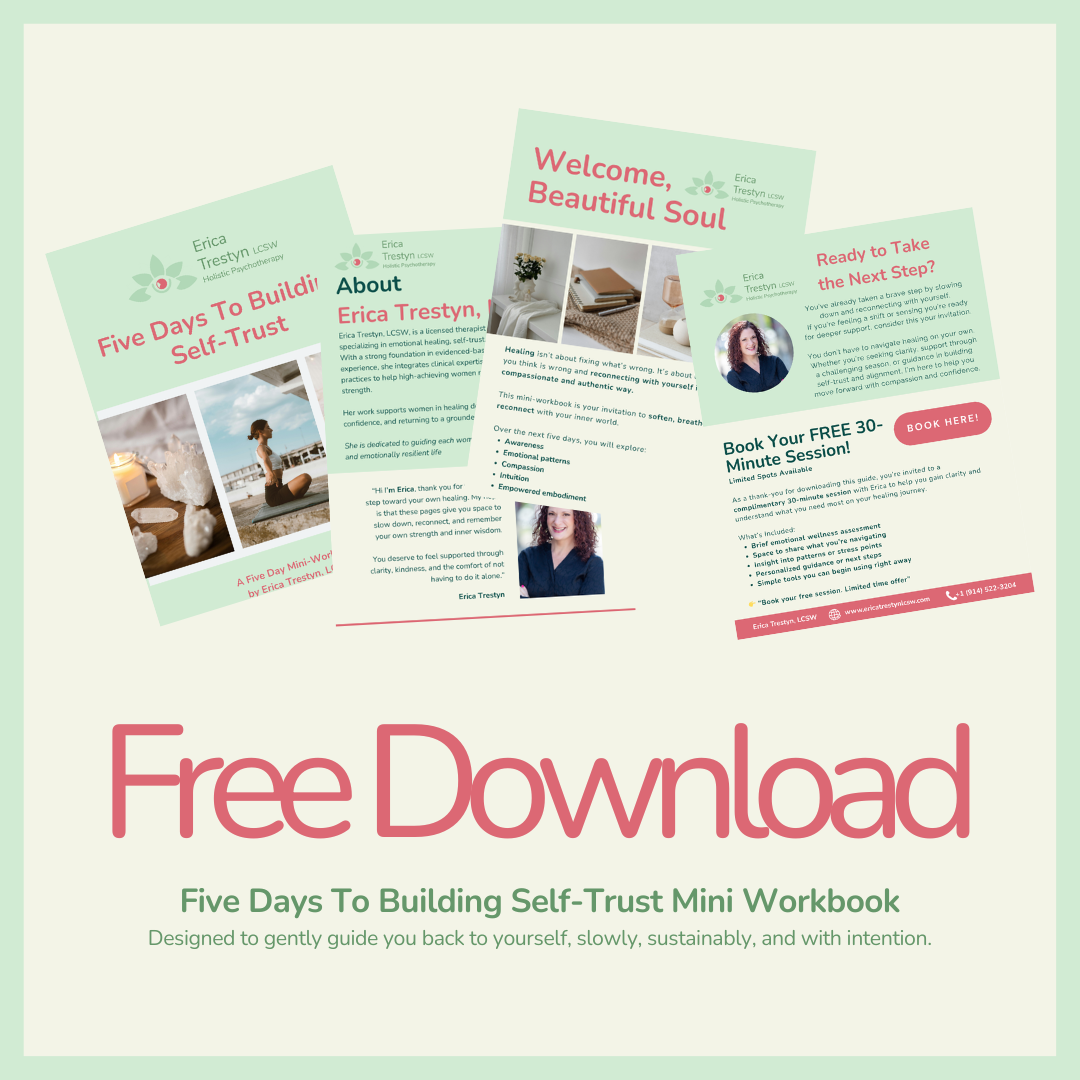
Download my Free 5 Day Self-Trust Workbook
with short daily reflections to help you
build self-trust, set boundaries, and
reconnect with your needs.
If you have questions or would like guidance on your self-trust journey, feel free to reach out.